Streetwear was born and made on the other side of the pond—for years Brits recognized the fashion style from American television but rarely saw it worn in their own cities. But since 2016, London has undergone a streetwear revolution.
In Soho, a fashionable district in the heart of the British capital, queues snake around the block, getting in the way of busy commuters and hapless tourists. These lines are made up of teenagers and university students who are fighting their way into 26 Brewer Street, where Palace—the British streetwear label known for its triangle logo, skate videos and eyebrow-raising prints—is located, and which each week launches a new collection that’s sold out in hours.
Related Stories
London has become immersed in in the “hypebeast” scene, the name given to the consumers determined to own whichever hyped streetwear is ‘dropped’ that week. Palace was founded in London in 2009 and along with fellow Soho resident Supreme—launched in New York in 1994—it is leading the streetwear pack. And as a result, under-25s from around the country cluster around Soho, itching to get their hands on the latest merchandise when it arrives in stores.
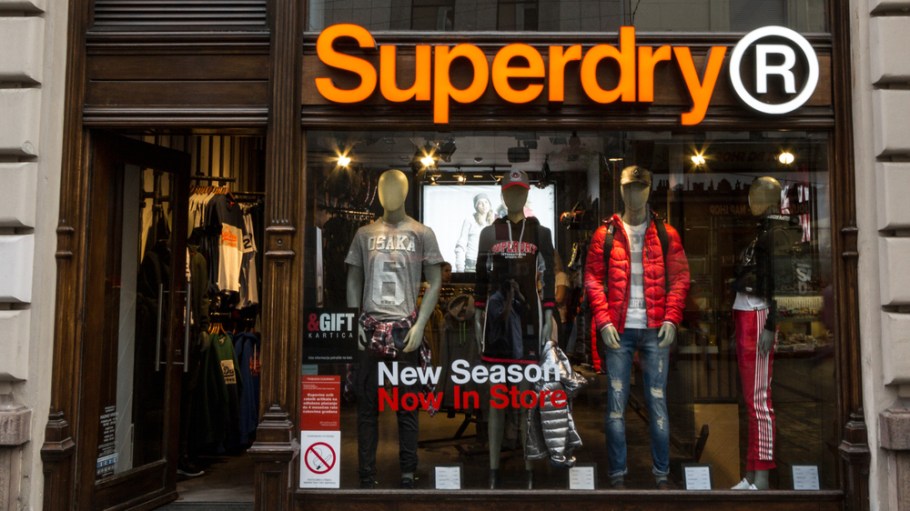
And then there is Superdry. Drawing its influences from the ‘80s New York hip-hop scene, the British brand is becoming increasingly popular around the country for its bold, clashing camo prints and flashes of neon. Controversially, co-founder Julian Dunkerton recently donated £1 million to the People’s Vote campaign, which is fighting for a second referendum on Brexit.
Following fast on the heels of these brands is another British retailer, Footasylum, which sells streetwear-style trainers and has reported revenues of £89 million, up 33 percent from the same period last year. This year, Footasylum has opened six new stores, taking its total store count to 65.
The numbers reflect the streetwear hype. Teens are flocking to streetwear labels—and rejecting brands that have not embraced the trend, according to a survey by Fashion Roundtable.
This is partly due to the savvy way streetwear brands have marketed their wares. Supreme and Palace have been central to this new youth phenomenon, with hundreds of students camping outside the London stores whenever a new line is launched—of which there is always only a limited number of items available, and only for a few hours.
This marketing tactic has worked because streetwear is very much an online culture, sharing brand-new looks with followers on Instagram the day they drop is all-important
But even more central than Instagram is The Basement, a Facebook group which became an 65,000-strong community in the UK. Members rate looks, post outfits and—most importantly—sell goods they no longer wear.
In order to fund their purchases of new weekly drops, many teens and young adults resell their items online, with a thriving micro-economy taking place on Instagram, Facebook and the resale app Depop.
And some of them are making a fortune, often queuing in English drizzle for hours to buy items on the day they’re released in store, showing off their winnings by posing in them that afternoon on Instagram, then immediately selling them off at a profit.
Ari Petrou is a teenager who has made a career from it—with more than 200,000 followers on Instagram, calls himself the UK’s biggest hypebeast.
“The younger generation, they are just all doing it because it’s like a hobby and you make money from it,” he said in a television interview with Sky News. “Now I see so many groups of school kids that will go to shops like Supreme all together, it’s like their day out, and they’ve all made like £100 or £200 from reselling, and they are 13-year-old kids. There are people that are like from bad backgrounds that have gone from selling drugs to selling clothes. It is a legitimate business.”
Re-sell only works if you get your hands on each week’s latest drop. After a crackdown by the City of Westminster (the borough Soho is located in), Supreme has found a way to stop kids from camping out on the streets. On Monday, those in the know will be emailed about a secret location where they will go to be given a number that determines their position in the queue for the release on Thursday. Get a good number, and you’ll make hundreds of pounds on resale.
Thus, the cycle continues—the demand for streetwear products is heightened even more, and the trend slowly grows out of its London home and into the rest of the British Isles.