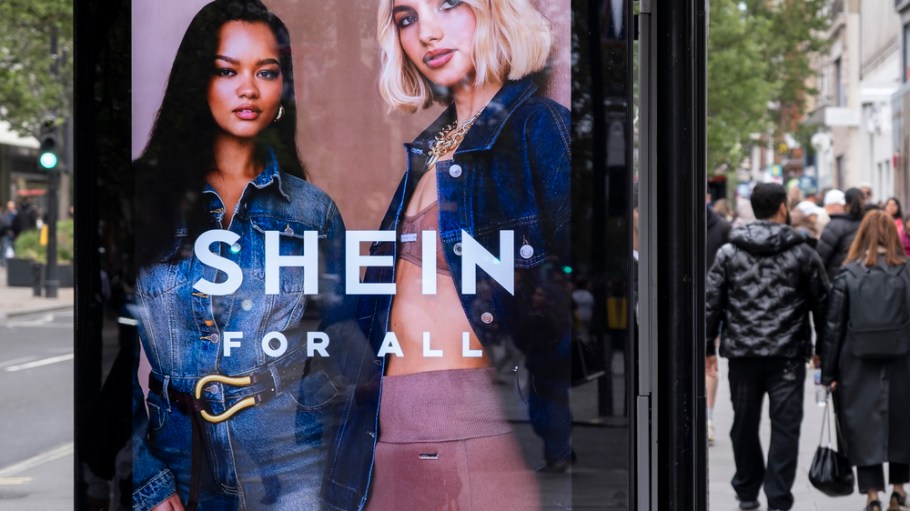
Shein may have appeared to have given up on its British IPO ambitions, but the Chinese-founded e-tail Goliath’s third-largest market after the United States and Germany is still booming, according to a filing on Friday.
In 2024, Shein’s U.K. arm rustled up 2.05 billion pounds ($2.78 billion) in sales, a year-over-year increase of 32.3 percent. Shein Distribution UK Ltd. also reported a pre-tax profit of 38.25 million pounds ($51.85 million), 56.6 percent more than in 2023. Its 2024 milestones include a pop-up shop in Liverpool, a pair of new offices in London and Manchester and a so-called “Christmas bus tour” that doled out complimentary manicures, photo opportunities and goodie bags across 12 U.K. cities, the Singapore-headquartered firm added.
Related Stories
But it’s not all blue skies ahead, Shein said. “Higher inflation and increased cost of living may affect customer purchasing habits” aside, the company is also girding itself for potential import taxes following the U.K. government’s review of the exemption for small parcels worth less than 135 pounds ($183). The United States has already suspended a similar de minimis exception for China-hailing packages valued at less than $800, raising the e-commerce giant’s prices and eroding some of its customer demand as a result. Such duty-free loopholes, critics say, have given the likes of Shein an unfair competitive edge by allowing them to undercut mainstream retailers like H&M and Zara with $10 dresses and $12 shoes.
It was only last June that the London Stock Exchange was abuzz with a potential Shein listing after attempts in New York were thwarted by congressional concerns over the risk of Uyghur forced labor in the company’s predominantly Chinese supply chain. The same criticisms dogged Shein even as it appeared to inch closer to the finish line. An especially disastrous parliamentary hearing in January, during which a Shein representative was accused of “bordering on contempt” with her palpable inability to answer “very, very simple questions,” such as whether Shein uses cotton from China, only buoyed claims from detractors that a listing would imply an endorsement of business growth at the expense of human rights.
The ultra-fast-fashion purveyor also continues to field blows from Western regulators over its commercial practices. A European Union investigation in May found Shein in violation of consumer protection rules barring behaviors such as fake discounts, pressure tactics and unsubstantiated sustainability claims. In July, France sanctioned the firm for deceptive sales tactics. And last week, Italy’s competition authority slapped a 1 million-euro ($1.17 million) fine for misleading customers about the environmental impact of its offerings.
Shein is now reportedly working on a flotation in Hong Kong, which offers fewer hurdles involving a company’s risk disclosures and less pushback from Chinese regulators who provide the final greenlight for companies going public outside the mainland.