The P180 rental platform is in the early stages of growth, and cofounder and CEO Brendan Hoffman is exploring just how long that runway can be.
“There’s so much optionality we have with this model to go in a bunch of different directions,” he told Sourcing Journal in a telephone interview.
The company, which works with companies using CaaStle‘s (Clothing as a Service) business-to-business technology, made its first investment last August in Elyse Walker for elysewalker Borrow. Its second investment was a stake in Altuzarra in October. P180’s most recent investment was in Vince, a brand Hoffman knows well having been its former CEO from October 2015 to September 2020.
Related Stories
“Vince was kind of just a happy confluence of circumstances. Sun Capital was looking for a way to exit their position as they wind down their fund, and we were realizing that some of these smaller brands have other needs that we can help to bring scale to them,” Hoffman said, adding that much of the leadership team he worked with are still there.
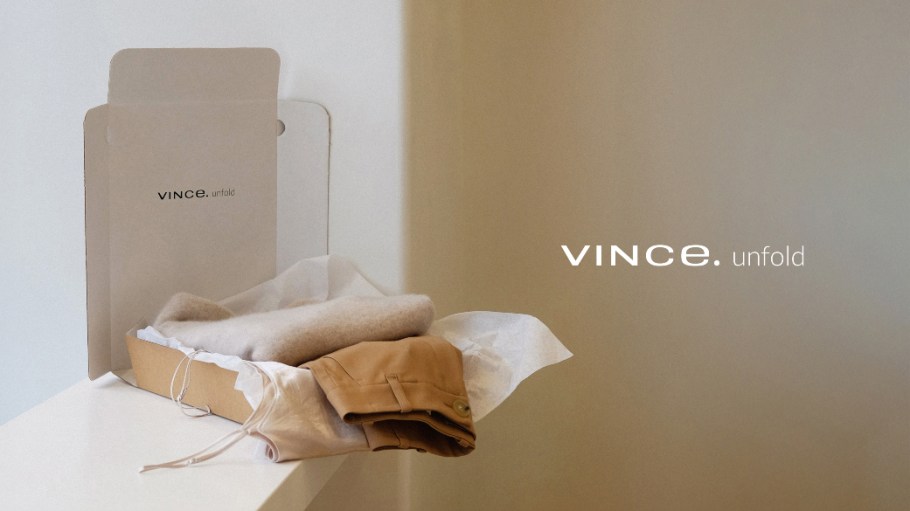
In fact, Hoffman met his P180 cofounder Christine Hunsicker when he was running Vince, which became the first brand to launch on CaaStle’s platform using a subscription model. The Vince brand still operates the subscription service, called Vince Unfold, and there are plans to add a one-time rental—or borrowing—option as well.
With three brands under its umbrella, Hoffman said he’s open to a wide range of brand options to add to the P180 platform.
“There is a a point of view that if we take a small brand, sub-$10 million, we have the opportunity to scale it and add great value,” Hoffman said. “And then there are brands that are much bigger, and a little bit more mature, that maybe haven’t been on the same sort of growth trajectory that they once were that we think we can supercharge both with our inventory monetization technology and some other scale we can bring. So, we feel like we’re positioned to do deals of all sizes.”
Apparel brands remain the core of the P180 platform and likely where the focus will be in terms of future investments, whether stateside or internationally. The platform has already tested footwear and jewelry through the Elyse Walker brand, so those categories could be an opportunities down the road. And men’s could represent a growth area too, given that Vince Unfold includes men’s and the category also will be included in the borrowing option.
“We’re looking at it as the issue that plagues brands and retailers. Apparel monetization is not isolated to the U.S.,” Hoffman said. “Christine and I were over in Dubai [in December] and had a lot of strategic conversations there, and we will be making a trip to the U.K. We feel that this is not restricted to just U.S. brands.”
The Vince investment was for a majority stake in the operating company. Authentic Brands Group owns the intellectual property assets. The transaction did give P180 a 25 percent interest in the IP, and it opened the door to the possibility down the road of maybe including the borrowing feature in other Authentic brands.
Jessica Dvorett, CaaStle’s global head of growth, was also on the call and spoke about how the borrowing feature of the one-time rental market is resonating with customers. She sees rental as additive to e-commerce businesses.
“She is really looking to adopt new models, especially new digital models, and we see that with the success of services like Nuuly, which I think has recently become the biggest service out there in a relatively short amount of time,” Dvorett said. “What we know is the consumer loves variety. She loves to wear new things that make her feel great. And both rental and resale are ways for her to do that, where she can really feel better about how she’s spending and how she wants to spend.”
In the first P180 test with Elise Walker, Dvorett said adding rental, especially in the brand’s markdown cycle, has helped bring in new customers by giving them access to the brand in what can be likened to a tryout period. She said half of the renters ultimately purchase the item borrowed, and these are customers who “wouldn’t necessarily have been able to engage with the brand.”
The customer pays a rental fee to borrow an item. That fee in turn gets deducted from the purchase price should the customer elect to buy it instead of returning the item.
Dvorett sees growth in the customer base as the model becomes more mature. “So, we’re moving out of the early adopters into a broader and broader base of women,” she said, adding that millennials who started adopting the model early in their 20s are still using the rental option in their 30s and 40s. “As they continue to be willing to rent, in some cases [they’re moving on to] nicer and finer product. And so we’re really seeing an expansion of the category,” she explained.