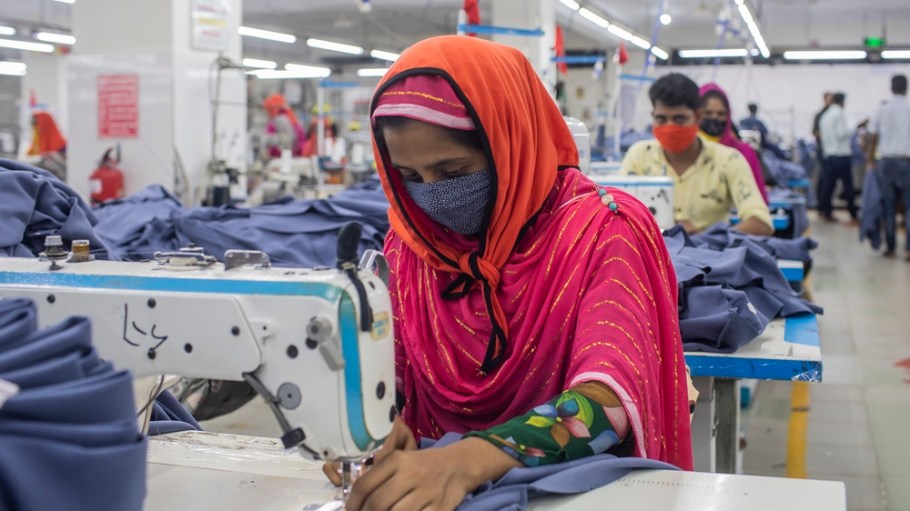
Women make up 80% of the garment industry’s factory workforce—driving innovation, economic growth, and apparel production worldwide. Yet, despite their central role, many face precarious working conditions, wage disparities, and limited opportunities for advancement. As supply chain transparency becomes increasingly entwined with regulatory compliance and consumer expectations, investing in women workers is more than a moral imperative—it’s a business necessity.
Beyond being a workforce issue, gender equity is an economic and sustainability imperative. Studies show that when women are supported to grow in the workplace, industries experience greater efficiency, lower turnover rates, and improved long-term business resilience. The apparel industry cannot afford to ignore the importance of investing in its majority workforce.
Related Stories
Elevating Supplier Voices for Greater Impact
Today, both consumers and regulators are increasingly demanding greater transparency into the working conditions within supply chains. Brands are expected to assess the full social impact of their supplier partners—spanning labor rights, wages, workplace safety, and overall worker well-being. However, a key piece of the puzzle is often overlooked: supplier voices.
For real progress in ethical sourcing, brands must move beyond top-down compliance and collaborate with suppliers as true partners. Yet, brands’ short-term purchasing contracts and shifting business priorities frequently undermine facility leaders’ ability to invest in and implement long-term social and environmental programs; suppliers are always pushed to offer lower prices and not incentivized to prioritize the well-being of the workforce and environmentally sustainable practices. When suppliers are excluded from decision-making and squeezed on the price of a unit of production, meaningful change remains out of reach for the industry.
A major challenge is the instability created by frequent supplier turnover. Brands often shift production from one factory to another in response to a variety of factors including cost pressures or geopolitical situations. In addition to the high turnover, over the last five years, we’ve seen payment terms between suppliers and brands continue to increase. This churn makes it nearly impossible for suppliers to maintain steady workforce investments, as each new brand partner brings differing priorities resulting in inconsistent and fragmented progress on social and environmental initiatives.
Instead of perpetuating audit fatigue, with suppliers undergoing redundant assessments that fail to drive meaningful improvements, brands should invest in capacity building efforts. Brands and their buying partners should work alongside suppliers on training and upskilling programs, wage monitoring, and implementing comprehensive protections for workplace well-being.
When suppliers have a voice in shaping labor and sustainability initiatives, the results are more practical, scalable, and beneficial for workers—ensuring that investments in workers are not just performative, but rather lead to lasting improvements.
The Role of Workforce Investment in Ethical Supply Chains
While women make up the majority of the workforce in apparel manufacturing, these positions are often limited to factory floor-level positions. Breaking this cycle requires investment in upskilling programs that equip workers with leadership training, financial literacy, digital skills, and technical expertise.
A lack of career mobility remains one of the biggest barriers women face across the supply chain. Many women enter the garment industry at a young age with little formal education and few opportunities to develop skills outside of the workplace that would allow them to grow into managerial roles. Without interventions, they remain in roles that have little long term security—meanwhile they are the ones that hold the skills that bind the industry.
But it’s not a lost cause. Companies that prioritize these initiatives see higher productivity, improved retention rates, and more resilient supply chains. Take Legend Swimwear Factory for example. The leading swimwear manufacturer’s apprenticeship program rotates recent graduates through every facet of the business—from cutting and sewing to sales and operations. By fostering a leadership pipeline that understands the business from the ground up, Legend Swimwear ensures that workers, including women, have access to career advancement and skill-building opportunities.
This kind of investment not only strengthens supplier capabilities, but also builds a resilient and equitable industry. When workers gain transferable skills and are exposed to varying departments within a business, they become active contributors and acquire a sense of ownership in the business and its success.
Many organizations still approach labor rights as a compliance exercise, focusing on audits and certifications rather than meaningful workforce development. While third-party assessments are critical to ensure protections and provide accountability measures, the systemic inequities across factory positions require a shift from compliance into a due diligence mindset. What does this look like beyond livable wages?
- Financial literacy and digital skills training that build long-term economic stability.
- Leadership development programs that create pathways for women to advance into management.
- Childcare and parental leave policies that influence women’s ability to remain—and grow—in the workforce.
When brands take an active role in these initiatives, they foster a more ethical and resilient supply chain, reducing the risks of labor violations while improving overall business outcomes.
A More Ethical and Sustainable Future
Women are at the foundation of the fashion industry’s workforce—when they thrive, the entire system benefits. Brands that prioritize worker well-being, labor equity, and transparency will be the ones leading the charge toward a more ethical and responsible future.
The industry is at a turning point. Those who embrace data-driven accountability and meaningful workforce investment will not only meet growing consumer expectations but will further future-proof their supply chains against potential geopolitical and economic risks. Each facility, like every business, is a part of a community; when we recognize this, we move from transactional supplier relationships to meaningful partnerships that drive real change. The time to act is now—because a more sustainable supply chain is more than just addressing existing customer priorities, rather it’s a way to ensure we are continuing to grow businesses into stronger, more resilient, community embedded entities.
Adele Stafford is the EVP of Growth Initiatives at Worldly, overseeing customer success and account management. She brings 20 years of experience working at the nexus of design, technology, and strategy. Before joining Worldly, Adele was VP of Accounts at Blue State, managing clients like Google, UCSF and Participant Media.