With many people mostly shopping only when an event or occasion calls for it, apparel might be in for a tough quarter during the holiday 2023 season.
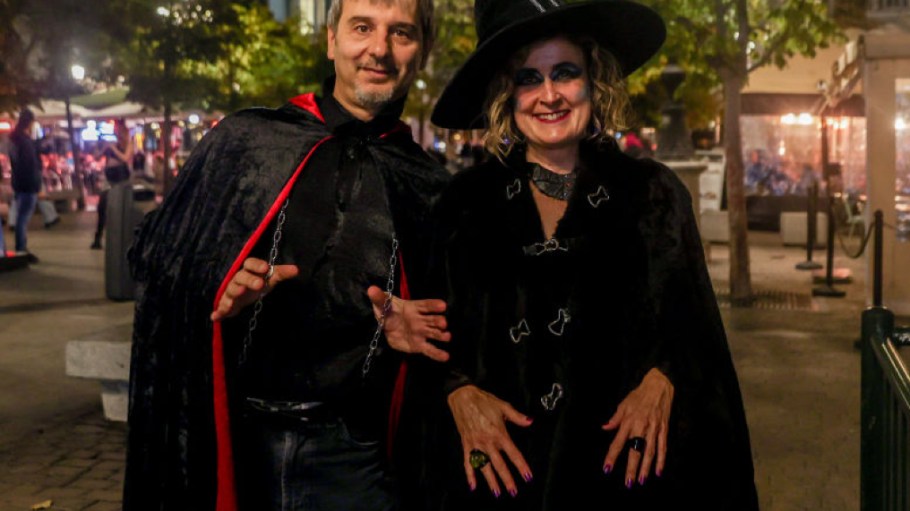
R.J. Hottovy, head of analytical research at Placer.ai, pointed to a shopping lull since back-to-school. That’s because “event-driven shopping” is what gets consumers to spend, he said at a webinar last month co-hosted with Coresight Research. He sees Halloween shaping up to be the next big event.
National Retail Federation (NRF), the retail trade organization based in Washington, D.C., expects a record $12.2 billion in Halloween spending, above last year’s $10.6 billion, according to the forecast it issued last month. The study conducted by Prosper Insights & Analytics also found that a record number of people, at 73 percent, plan to participate in Halloween-related activities this year, up from 69 percent in 2022.
Related Stories
“Consumers will be shopping early for festive décor and other related items and retailers are prepared with the inventory to help customers and their families take part in this popular and fun tradition,” NRF president and CEO Matthew Shay said. Most people said they’re spend on candy (68 percent), home or yard decorations (53 percen) and costumes (50 percent). Consumers are set to spend a record $4.1 billion on Halloween costumers, up from $3.6 billon last year.
Millennials, America’s largest demographic, are seen doing the most Halloween shopping, with 41 percent planning to spend more than they did last year, according to a JungleScout study. Most shoppers, and younger ones especially, look at Amazon first when searching for Halloween products online, it found, and one-third of Gen Z consumers expect to do most of their costume shopping on Amazon. JungleScout found that consumers got a jumpstart on their Halloween searches versus last year. Moreover, August keyword searches for Halloween costumes and decorations on Amazon were up more than 100 percent versus a year earlier.
Though the UBS Halloween Spending Index is up 10 percent year-over-year, UBS softlines and retail analyst Jay Sole doesn’t think this has a material benefit for apparel companies. “Our observation is consumers prioritize spending on important family events, like Halloween, and proportionately reduce spending in between the big events,” Sole said. “Also, we note consumer spending for Halloween likely won’t help most public softline companies since few sell Halloween items.” Sole sees a “coming slowdown” in soft goods spending.
Sole’s proprietary data also indicates that spending on holiday gifts has fallen since July when only 18.3 percent said they planned to spend less this year on holiday gifts. Now nearly 27 percent say they’re not planning to spend as much on year-end presents.
The UBS data also found that 4.8 percent of respondents said they knew someone who had been laid off, up 30 basis points month-over-month. And about 36 percent of U.S. consumers said they think there will be more layoffs over the next six months.
Economists at Wells Fargo Securities have warned about a hiring slowdown. That seems to be happening now. The ADP National Employment Report on Wednesday shows that U.S. private employers added just 89,000 jobs in September, the slowest growth since January 2021. The payroll firm said that big businesses drove the slowdown, eliminating 83,000 jobs and wiping out August gains.
“We are seeing a steepening decline in jobs this month. Additionally, we are seeing a steady decline in wages in the past 12 months,” ADP chief economist Nela Richardson said.
Friday’s September report from the Labor Department for nonfarm payrolls was far better, showing an increase of 336,000 for August that nearly doubled a Dow Jones consensus estimate of just 170,000. It’s not unusual for ADP and the Labor Department reports to diverge since they rely on different metrics. Job growth mostly came from the leisure and hospitality sectors. But an increase in hiring could reflect some hiring of temporary workers for the holiday season.
With ongoing inflationary pressures, consumers have pulled back a bit on their spending. According to the Jefferies retail analytical team led by Corey Tarlowe, August traffic data was overall negative for the discount retailers. This seems to buck the conventional wisdom that consumers trade down to discounters when they feel the heat. Tarlowe said that year-over-year growth trends in foot traffic, web traffic and social media engagement all started to level off versus July levels. Off-price retailers saw healthy traffic, however.
This development shows that “tough times are getting tougher,” according to Wells Fargo retail analyst Ike Boruchow, who said that after a decent back-to-school season, “we believe demand has begun to break down again.”
This could be because of higher energy prices, and people starting to repay student loan debt after a pandemic. Boruchow said nearly 45 million people have student loans with balances averaging $35,000, or $1.7 trillion altogether. Unfavorable weather is another factor. Plus, after trends turned negative in August, foot traffic softened again in September, he said.
Boruchow said warmer weather around the Thanksgiving through Christmas holiday period doesn’t bode well for apparel. And seasonal pattern shifts from La Niña to El Niño would result in a wetter fourth quarter. “Putting this all together, this is counter to the ideal shopping conditions and is expected to have a negative impact on retailers,” he said, noting that people might not feel the need to update their winter wardrobes by purchasing new coats, boots and jeans this quarter.
This suggests that a “very tough holiday season lies ahead,” Boruchow said, adding, “we remain cautious on traffic through the balance of the year.”