A 2020 survey by the Clean Clothes Campaign found that 93 percent of contacted brands failed to provide evidence that they were paying a living wage to any of their suppliers—sustainability-focused brands included in the struggle.
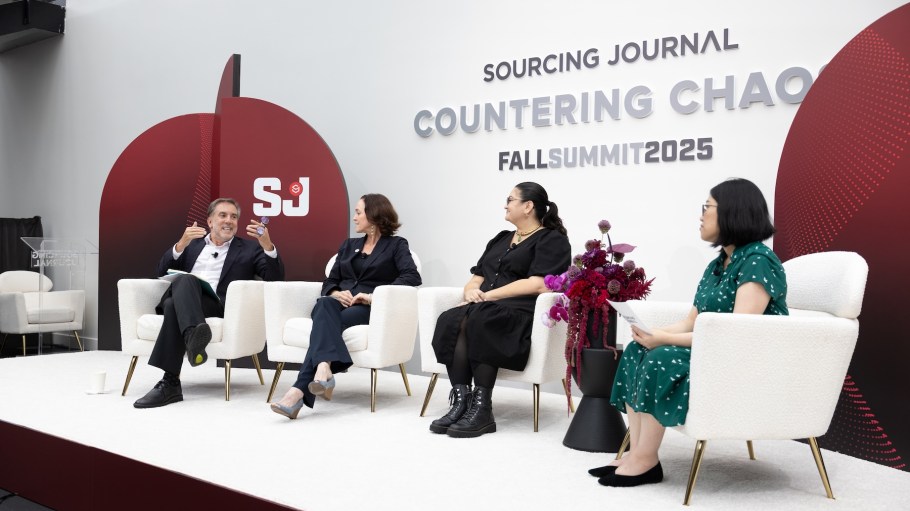
During the “Fair Wages for Fair Work” panel, held during Sourcing Journal’s Fall Summit: Countering Chaos on Sept. 25, the Solidarity Center, a labor organization working in approximately 25 apparel-producing countries, reported no known cases where people in this industry make a living wage.
Related Stories
“People feel like they’re trapped in dead-end jobs, because they probably are,” said Shawna Bader-Blau, executive director of the global nonprofit organization promoting labor rights, safe workplaces and fair wages. “With the low wages, there’s a direct relationship to much more violence against women than any of us would want to see.”
Workers take on second and third jobs to survive, leading to exhaustion, depression, frustration, and feeling trapped, she continued. The labor movement ideal—eight hours for work, eight hours for rest, eight hours for leisure—is ignored, per Bader Blau, as there is “no time for the what you will.”
“Suppliers for all the major American brands are upwards of 80 percent with women experiencing gender-based violence, unwanted touching, sexual demands from employers, having to sleep with the boss to even get your overtime,” Bader Blau said. “It’s rare when that’s not the case.”
Dean and distinguished professor for the school of management and labor relations at Rutgers University Mark Anner defined the wage gap as the difference between the prevailing wage (what workers actually get) and what they should be paid (the living wage).
“When we talk about purchasing practices, we often think about what brands can do internally—like improving forecasting, building better lead times or paying suppliers fairly,” said Anner. “But the truth is, purchasing practices sit at the intersection of three pressures.”
That’s what Anner called the “triple squeeze.” Suppliers are squeezed by buyers who want lower prices and faster turnaround; buyers are squeezed by shareholders demanding higher margins; and workers get squeezed at the end of the line, bearing the brunt of both.
“You can’t fix the wage problem without addressing that entire system. If brands are still asking for shorter lead times, last-minute changes and rock-bottom prices, suppliers don’t have room to pay fairly,” Anner said. “Those decisions are what drive wages down—not a lack of willingness to pay workers more, but the structure that makes it impossible.”
For the Fair Labor Association (FLA), closing the global wage gap starts with facing the numbers. The Washington, D.C.-based multistakeholder group quantified the living wage gap in Vietnam as approximately 18 percent, or about $54. In Bangladesh, the gap is significantly higher at about $96.
“At the Fair Labor Association, we’ve been looking closely at what we call the wage gap—the difference between what workers actually earn and what would be considered a living wage in their region,” said Tiffany Rogers, vice president of research and development, social compliance, at the FLA. “When we started collecting this data, we were focused mainly on compliance: were factories paying the legal minimum, were wages delivered on time? But that doesn’t tell the whole story.”
She also highlighted that the excuses for not paying a living wage are barriers that need to be overcome.
“I’d say the industry has tools available to get past this problem already. They need to actually use them and scale them,” Rogers said. “There’s a growing movement on living wages, especially. Meanwhile, we continue to need to support freedom of association and collective bargaining for workers as well, because they need to have an active voice in this process, too.”