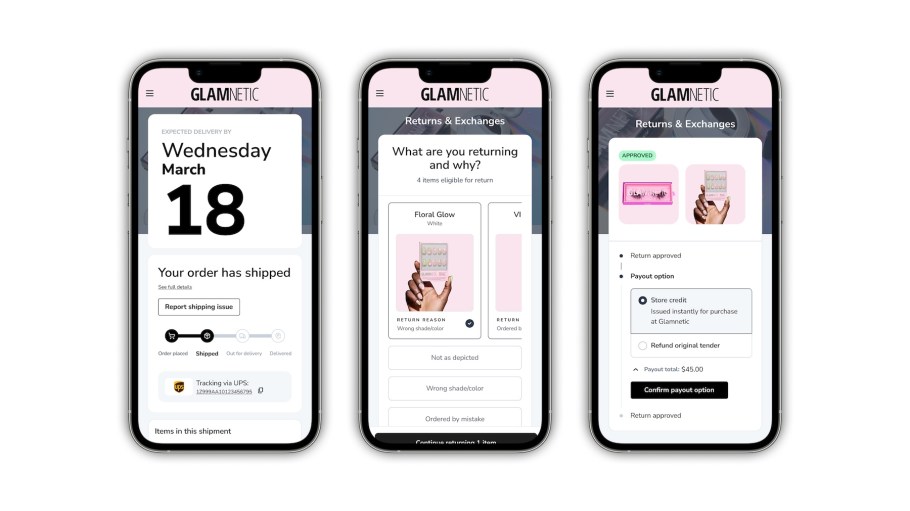
Only a small percentage of shoppers drive most retail operational challenges, yet current systems treat every customer identically.
Without the ability to recognize their most valuable customers, brands risk unintentionally penalizing loyal shoppers with strict policies. According to one commerce company, approximately 45 percent of consumers have chosen not to make a purchase because a retailer’s return policy felt too restrictive, too costly or too unclear.
It’s one of the reasons why Extend launched Shopper Operations: an AI-driven tool designed to help retailers manage customer interactions following a purchase.
Related Stories
The San Francisco-born and based company said its platform aims to boost profitability and loyalty by turning post-purchase data into real-time insights. Woodrow Levin, CEO and co-founder of Extend, stated that most retailers struggle to identify their most valuable customers and those diminishing profits.
To that end, the introduction of Shopper Operations could be seen as Extend’s response to research indicating that $377 billion in retail revenue is at risk over the next decade due to “returns friction”—the difficulty or cost associated with returning a purchase that the SoftBank-backed company defined as a “silent killer of revenue.”
According to the company’s current data, 72 percent of consumers buy less from retailers with strict return policies. A very small percentage of shoppers drive outsized costs; for instance, in the beauty category, Extend found that three percent of customers account for up to 45 percent of returns costs. Conversely, the top 10 percent of customers generate nearly half of net sales.

“A small percentage of high-risk shoppers drive disproportionate returns costs, yet brands rely on one-size-fits-all policies that fail to stop fraud and abuse,” Levin said. “Shopper Operations changes that—brands can give great customers the experience they’ve earned while protecting margins.”
The platform unifies various and previously fragmented post-purchase functions into a single system—including delivery, returns and warranty claims. Its “Extend Shopper Intelligence” feature, for example, analyzes customer behavior in real time. Extend said this technology lets brands move away from the industry’s standard—and penalizing —“one-size-fits-all” policies that often punish “good” customers in an attempt to stop “high-risk” ones.
Taking a dynamic policy assignment approach, the platform automatically applies brand-defined policies—such as free returns, instant refunds, incentivized exchanges or restocking fees—tailored to the specific customer segment. The system functions by building these segments based on consumer behavior: order history, return behavior, claims activity and promotion usage. Then, by categorizing values by risk, the platform can reportedly identify high-value customers, first-time buyers, return abusers and fraudsters.
By differentiating customers based on value and risk, the platform helps brands reward their best customers while protecting margins from fraud and abuse without manual intervention. In 2025, Extend’s platform drove more than $1 billion in revenue for its merchant partners, allegedly adding to topline growth of up to 9 percent.