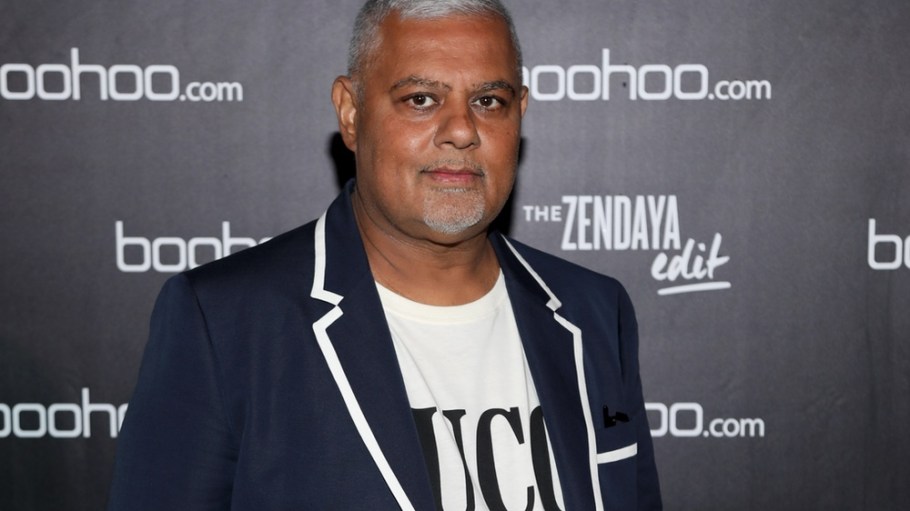
More than five years after Boohoo Group was accused of promoting worker exploitation at its Leicester-based suppliers in England, a High Court lawsuit claims that its co-founder and former chairman, Mahmud Kamani, likely knew about the “terrible, unsafe and unsanitary conditions” at the so-called sweatshops before the allegations made headlines.
Lawyers for nearly 50 Boohoo investors, including the California State Teachers’ Retirement System, said that it was “not credible” that Kamani, who launched the fast-fashion e-tailer with his brother Jalal in neighboring Manchester in 2006, would have been unaware of how those factories were being run. The joint litigation claim, which was first filed in 2024, seeks 177 million pounds ($241 million), plus interest, from the company to make up for the plunges in share price following the imbroglio.
Related Stories
A spokesperson for the now-renamed Debenhams Group said that it “strongly contests the allegations and will vigorously defend any claim.” The claimants, for their part, said that Boohoo’s assertions of the board’s ignorance were “not convincing,” citing Kamani’s social interactions with factory owners and visits to their facilities.
The entire imbroglio proved hugely damaging, not only to Boohoo but also the Leicester garment industry, which was already struggling to cope with the manufacturing shift overseas before the fear of being tainted by scandal led its remaining buyers to flee en masse. Where once more than 1,000 factories plied their trade, fewer than 200—if even that—remain today.
Still, it was Boohoo that felt the impact first, with its stock plummeting 42 percent after press reports revealed that the workers it contracted were paid as little as 3.50 pounds ($4.77), or less than half the minimum wage, while toiling long hours and in cramped conditions at the height of the Covid-19 pandemic lockdowns. Subsequent press reports revealing further employee mistreatment in 2022 and 2023 led to a further drop in Boohoo’s cachet and even greater harm to investors, the London law firm Fox Williams said in the lawsuit.
Lawyers for the claimants now want Kamani to hand over communication logs with two of his sons, Umar and Samir, because he was “highly likely to have discussed relevant matters” with them. Heightening that possibility: Umar is the CEO of PrettyLittleThing and Samir the CEO of BoohooMan, both Debenhams Group brands. The wider Kamani family also held a 37 percent stake in Boohoo, which showed the “vestiges and traits of a family business.”
A crux of the complaint is that Boohoo failed to “take its social responsibility seriously” and “did not strive for high standards in ethics throughout its supply chain” before the problems became public knowledge, the lawyers said in court filings. Their claim was bolstered by a Boohoo-commissioned independent review, which, soon after the furor exploded, found that the firm’s own monitoring of the “many failings in the Leicester supply chain” proved “inadequate” because of “weak corporate governance.”
Alison Levitt, the former Crown Prosecution Service legal advisor who led the three-month investigation, said that “from (at the very latest) December 2019, senior Boohoo directors knew for a fact that there were very serious issues about the treatment of factory workers in Leicester,” but that Boohoo “concentrated on revenue generation sometimes at the expense of equally important obligations which large corporate entities have.”
At a parliamentary hearing at the end of 2020, Kamani told ministers that while he was “shocked and appalled” by allegations of labor abuses, any noncompliance occurred at factories that Boohoo didn’t own or control. “I cannot possibly know everything in this business, but I do know this is a priority in our business,” he said.
While Boohoo embarked on a sweeping supply chain overhaul in the scandal’s aftermath, it has lost ground to even-cheaper rivals like Shein, which snapped up Missguided in 2023. Still, it expects adjusted earnings before interest, taxes, depreciation and amortization in fiscal 2026 of 45 million pounds ($61 million), with potential double-digit growth in the next fiscal year.