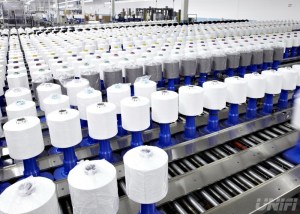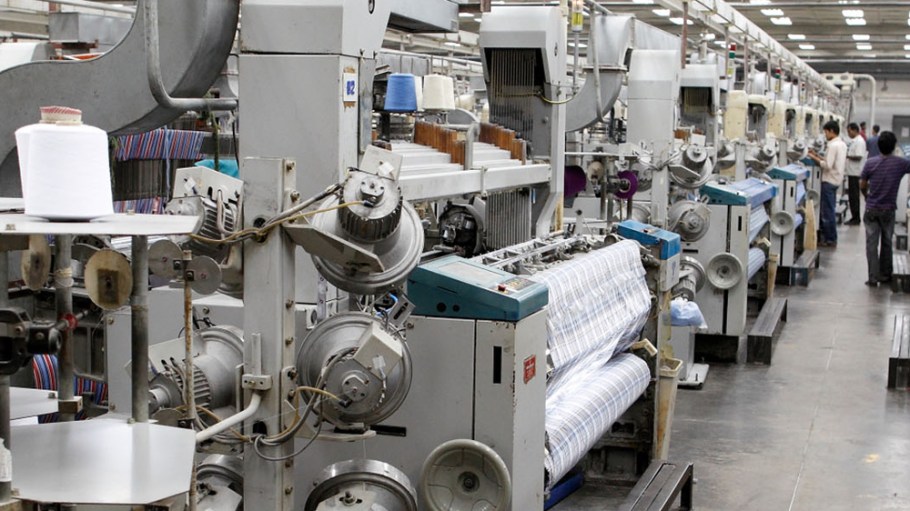
Once written off as dead, one of Bangladesh’s largest vertically integrated textile and garment manufacturers could be getting a new shot at life.
A brewing $20 million lease agreement with Japan’s aptly named Revival Project, in fact, could soon see Beximco Group’s dozen or so shuttered factories whirr back into operation after months of dormancy, potentially to fulfill orders for Zara owner Inditex, according to local media reports. The tripartite deal, which also involves the state-owned Janata Bank, could restore the jobs of nearly 25,000 workers over the next couple of months, sources from the labor ministry told TBS News.
Related Stories
“After 10 months of tireless effort, we’re finally making progress toward reopening the factories,” Beximco managing editor Osman Kaiser Chowdhury told the outlet. “We have the government’s policy-level support.”
The company’s 16 factories, including Beximco Fashions, Crescent Fashion and Design, Shinepukur Garments and Yellow Apparels, were previously owned by Salman F. Rahman, one of former prime minister Sheikh Hasina most trusted advisors, who remains in prison on charges of murder, fraud, money laundering and graft. He’s also been accused of using his political influence to stall the repayment of his company’s bank loans and liabilities, estimated at a whopping 50,098 crore Bangladeshi taka, or around $4.1 billion.
To help with Beximco’s reopening, Janata Bank plans to reschedule defaulted loans totaling roughly 35,000 crore taka, or $2.9 billion. The Bangladesh Bank will also ease existing policies and offer export-related banking facilities, if not new loans. Under the lease agreement, the Revival Project can carve out a service charge from potential earnings, with the rest going to repay outstanding debts. The firm has suggested appointing Deloitte to audit the books. Details will be hammered out once the agreement is signed, a senior Bangladesh Bank official told bdnews24.com.
Beximco started laying off its 40,000 textile and apparel division workers in December after it was clear it could not overcome its crushing debt on its own. Already, the government had to step in to cover wage payments that the company could no longer afford. In January, former Beximco employees protested their dismissal in spectacular fashion by allegedly setting part of a factory, a truck and three buses on fire.
“We’ve decided to reopen the factories considering the government’s investment, the bank’s loans, employment opportunities, and export income,” A.H.M. Shafiquzzama, secretary of the Ministry of Labour and Employment in Bangladesh, told TBS News, adding that the move was driven by economic rather than political considerations. “Beximco’s factories are fully compliant and equipped with modern machinery.”
At its height, Beximco touted a roster of clients that included Marks & Spencer, Target and Calvin Klein owner PVH Corp. Nearly all had stopped their orders with the company’s factories prior to their closure. Now the question is whether Beximco can recoup their lost trust.
“It is overall good news: the workers get their livelihood back, the bank will be able to recoup its loan, and the country gets foreign investment,” Asif Dowla, professor of economics and the Landers Endowed Chair in the Liberal Arts at St. Mary’s College of Maryland, told Sourcing Journal of the reopening.