Industry News
Sustainability Report 2026
April 22, 2026
Sourcing Journal’s Sustainability Report dives into the global story of the industry’s progress and its imperfections.
View Report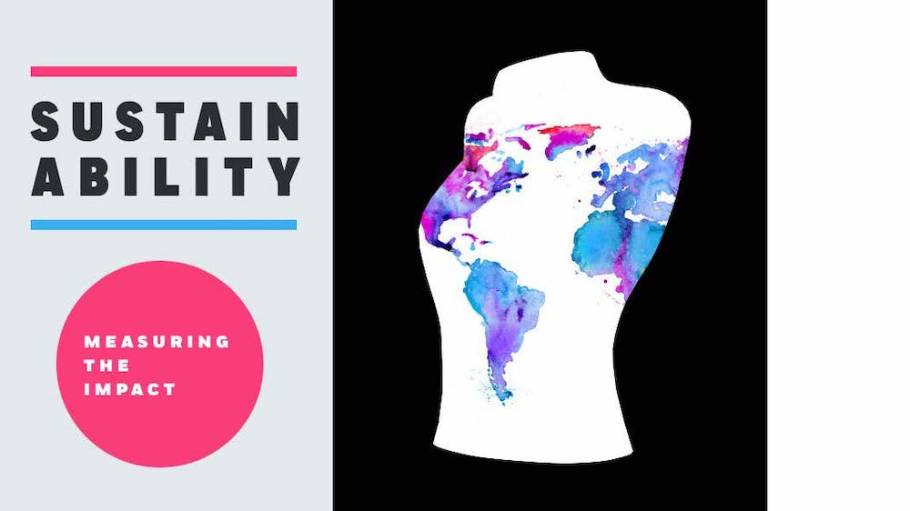
Sustainability in the fashion industry doesn’t just take a village, it takes forward-looking and forward-thinking villagers—aka innovative suppliers, mills, recyclers, agents, brands, retailers, and more. But a like-minded community can only thrive when participants are willing to hold others to account.
Such accountability is growing, even if it takes regulations to make it stick. Proposed in March, the first-of-its-kind legislation would make producers of textiles and apparel goods sold within the state liable for the industry’s waste. SB 707 would mandate that the sector fund an Extended Producer Responsibility (EPR) program—a statewide platform for discarded garments and fabrics made up of Producer Responsibility Organizations (PRO), which would manage the collection, sortation and recycling process.
Meanwhile, two new milestones were passed over the summer. The Netherlands launched its long-awaited extended producer responsibility policy for textiles in July, making it the third European country after France and Sweden to hold brands responsible for clothing waste.
Another initiative gaining traction is creating garments without using virgin fibers, driving both recycled inputs and garment recycling initiatives. With polyester making up a significant portion of the fashion sector’s material intake, innovators have been working behind the scenes to develop circular alternatives. In India, which is the global hub for recycling, small- and medium-sized businesses are also looking at the potential to grow with new technologies.
Mother Nature, however, has proven harder to tame. Climate change has turned into climate chaos for much of fashion’s manufacturing arm, with unprecedented floods, monsoons and factory-broiling heatwaves in Southeast Asia. In Dhaka, Bangladesh, 20 percent of garment factories, or roughly 1,155, can be found at low elevations within easy reach of rain-swollen rivers, according to the Garment Worker Diaries, an initiative of Microfinance Opportunities,
But necessity is the mother of invention. Investments in clean energy totaled $495 billion worldwide in 2022, according to Statista, and the unsung hero of the renewable movement is surprisingly not solar power but wind energy, which has advanced to become the primary source of renewable power generation in the states, per energy research and consultancy Wood Mackenzie.
Download the report to learn:
To view report, please fill out this form:

April 22, 2026
Sourcing Journal’s Sustainability Report dives into the global story of the industry’s progress and its imperfections.
View Report
November 13, 2025
If insanity means doing the same thing over and over again and expecting different results, then it’s encouraging that sustainability advocates are reconsidering old ways and thinking outside the box. But the industry needs real change leadership to prevent a large “sustainability retreat,” especially amid today’s economic and geopolitical turbulence.
View Report
October 16, 2025
Even in the best of times, business can be unpredictable. But in today’s perfect storm of fiery geopolitics, economic pressures and social discord, that uncertainty has turned into chaos. The question remains: How will you navigate it? The companion report “continues the conversation" with recaps, Q&As, and most importantly, insights for 2026.
View Report
September 24, 2025
Supima's AQRe™ Project unlocks the potential for more cross-tier collaboration and enables more efficient supply chain management.
View Report
September 19, 2025
Sourcing Journal and Oritain's comprehensive “Readiness Report: The Future of Fashion Traceability—Sustainability and Supply Chains in 2026 and Beyond” sheds light on the industry's current progress and gaps, with a look toward future strategies surrounding traceability.
View Report
September 10, 2025
When it comes to logistics and technology, machines and humans continue their symbiotic dance—getting goods loaded, shipped, railed, trucked, stored, sorted, picked, packed and delivered with ever-greater efficiencies. Artificial intelligence, machine learning, robotics, automation and other legacy technology continue to work in tandem to create connected warehouses with enhanced, speed and inventory tracking.
View Report