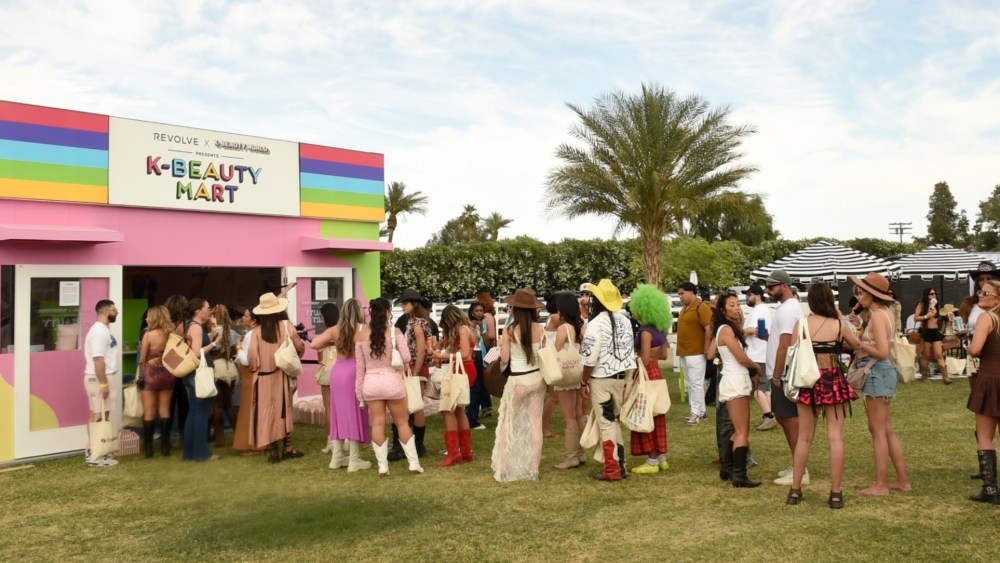
A desert hub for indie artists, internet stars and micro celebrities, Coachella is not the musical escape it once was. In recent years, with the rise of influencer culture and creator-led marketing, it’s become a battleground for brands across all categories of beauty, wellness, fashion, food and tech. The prize? Consumer engagement.
Whether it’s hosting activations outside the festival, organizing VIP sections, stocking canteen shops or filling compounds with an army of ad-ready TikTokers, brands will do almost anything to show up at some point during the weekend, ensuring their name — and hopefully — their product is promoted. Indeed, some strategies prove more effective than others.
You May Also Like
Related Articles
According to Alex Rawitz, director of research and insights at Creator IQ, “creator marketing strategies that have generated the most consistent success at Coachella have been designed chiefly around crafting immersive experiences for creators, without issuing overly restrictive guidelines for the resulting content.” In other words, the brands that set strict ad requirements for influencers they’ve invited, instructing them to post and link products multiple times a day, haven’t garnered the best results.

With that, are the brands that “try to coast on name recognition without planning compelling activations, or giving creators genuine reasons to post,” Rawitz continued, noting that data from Coachella 2025 “saw newer brands with purpose-built activations dramatically outpace more established brands in terms of year-over-year growth metrics.”
Standouts from last year include Kourtney Barker’s Lemme, Kylie Jenner’s Drink Sprinter and Hailey Bieber’s Rhode. These brands, Rawitz noted, partnered together within Revolve Festival, the retailer’s annual invite-only event, to effectively “generate cross-audience exposure.”
As the first weekend of Coachella approaches, Rawitz predicts brands will prioritize long-term creator partnerships over “one-off” festival activations. “The brands generating the most sustained creator loyalty are those who treat Coachella as one chapter in an ongoing creator partnership, rather than a standalone campaign moment,” Rawitz noted.
Poppi, the prebiotic soda brand founded by husband-and-wife duo Stephen and Allison Ellsworth, has significantly benefited from the relationship its cultivated with Alix Earle, which started at the 2024 Coachella.
“Those that will struggle most at Coachella 2026 are still operating on a transactional model, with little to no underlying investment in the kind of long-term creator relationships that generate content audiences actually want to engage with,” Rawitz continued.
Brands should also take note of the current consumer landscape, Rawitz added. With that in mind, skin care brands should perform well, given the category momentum in 2025. (According to Rawitz, skin care outperformed fashion at the festival last year.) Also, the labels capitalizing on the 2016 resurgence will likely come out on top, with “Bieberchella” inspiring its own wave of nostalgia.
One brand operating at the intersection of both skin care and burgeoning Bieber fever is Rhode. “Rhode is the clearest beneficiary of both trends,” Rawitz pointed out, citing its recent pimple patch collaboration with Justin and Hailey, which debuts Monday. As for the other players who could make it big at this year’s Coachella, we’ll have to wait and see.