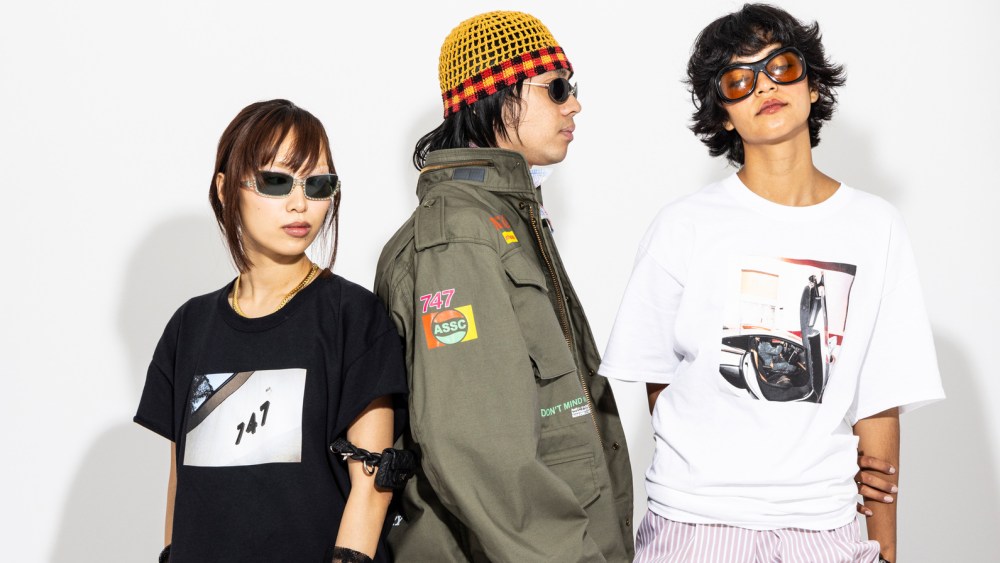
Anti Social Social Club is celebrating its 10th anniversary with a major international expansion.
The direct-to-consumer streetwear brand is embarking on two distribution and licensing partnerships with retailers Kasina in South Korea and Luke 1977 in the U.K. to bring the brand to a larger customer base.
“Korea has been the market that our founders have drawn on for inspiration in the early days of the brand, so there’s a thread that connects Korea to Anti Social Social Club,” said Romney Jacob, vice president of the brand. “We are really excited for the opportunity to relaunch the brand in Asia and abroad. The plan there is they will launch local distribution, they will do local collaborations for us and they will be launching brick-and-mortar stores beginning next year.”
Related Articles
Through the wholesale partnerships, Kasina and Luke 1977 will be able to sell Anti Social Social Club products, create products, embark on collaborations and other initiatives.
You May Also Like
The international expansion comes after Anti Social Social Club has largely stuck to its direct-to-consumer, drop model since its inception. The brand first started offering three drops a year, with each drop lasting roughly two hours. Anti Social Social Club was founded by NikeTalk forum member Neek Lurk, who is no longer associated with the brand.
“With six hours total in the year, they made all of their revenue,” Jacob said. “The drops were never announced very far in advance and it created this frenzy among customers that it was something that was so hard to get. You could really only get it during this very limited period of time, so it became incredibly popular.”
In addition to the drop model, Anti Social Social Club also operates on an on-demand model where it only produces inventory after customer sales.

Without providing volume figures, Jacob believes Anti Social Social Club is one of the biggest streetwear brands to come out of the last decade. She credits the brand’s exclusivity due to its drop model and its early embrace of Instagram as two main factors that contributed to its quick growth.
“Everything that they did to make themselves a global brand of scale in the early days is impossible to replicate today,” she said. “They were the first brand to figure out how to market on Instagram. They did that before there were any ads on Instagram, before there was any algorithm. There’s no way for a brand to replicate what Anti Social Social Club was able to build because the world of social media has evolved.”
Jacob also credits Anti Social Social Club’s large portfolio of collaborations as another key contributor to its growth. She claimed Anti Social Social Club was the first streetwear brand to partner with a luxury label, naming the brand’s early partnerships with Rimowa and Comme des Garçons.
Over the years, the streetwear brand has teamed with a diverse list of collaborators that includes DHL, Panda Express, Bape, True Religion, Hello Kitty and many more.
In 2022, the company was acquired by Marquee Brands, which owns other labels like Ben Sherman and BCBG Max Azria.
“Marquee’s mission is to grow the value of timeless brands,” said Marquee’s chief executive officer Heath Golden. “In Anti Social Social Club, we saw the opportunity to learn innovative marketing tactics from a proven leader in driving brand awareness and customer retention. Given the brand’s unique and proven operating model, it operates independently from our larger portfolio. We are incredibly proud of the great work being done by Anti’s team and look forward to another decade of watching them own the moment.”
In addition to the international expansion, Anti Social Social Club is celebrating its 10th anniversary with an archival pop-up shop at Selfridges this December. The pop-up is the brand’s first global physical retail outpost and coincides with the launch of its U.K. website.