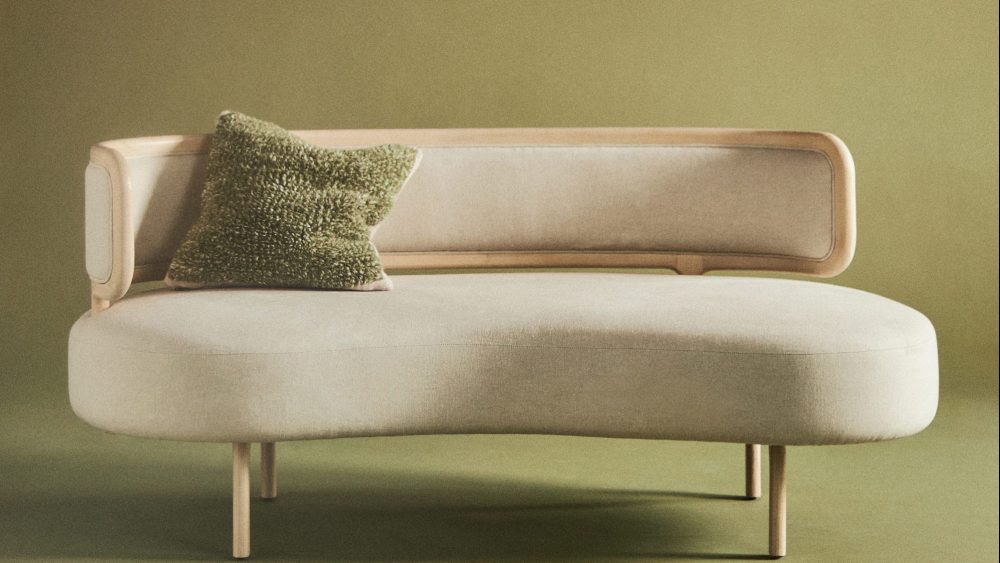
MILAN — Design is more about values than it is aesthetics for British design icon and creative director Ilse Crawford. Testament to her ethos of promoting positive mental health and environmental impact is the latest Anthropologie line designed by her firm Studioilse, which aims to breathe a sense of zen into urban dwellings.
Crafted from biodegradable materials such as linen and paper cord, the eco-conscious collection encompasses items priced from about $98 for a throw pillar to $2,598 for a couch. The collection will be sold at Anthropologie stores and online.
Related Articles
“We thought about an audience that would appreciate handmade, tactile, beautiful things. An audience who are thoughtful about the materiality of the objects around them,” she said in an interview. The exclusive capsule collection for Anthropologie’s home line AnthroLiving features furniture and homewares — including seating, tables, benches, ottomans, lamps, textiles and more — all in muted tones.
You May Also Like
“We were also very conscious of trying to create products that could be used in smaller apartments or rooms where space is more challenging, such as bedrooms,” Crawford added, noting that storage is built into some items and that the soft, sleek lines make pieces easier to fit into tight spaces.

The Bermondsey, London-based Studioilse was founded by Crawford in 2021 and focuses on the power and potential of design to inspire well-being in a hectic, fast-paced world. She is also the author of the 2005 book “Home Is Where the Heart Is?” which demonstrates how individuals can integrate our basic human needs into the way homes look, feel and work.
She emerged onto the scene at age 27 as the launch editor of Elle Decoration and later founded the department of Man and Wellbeing at the Design Academy Eindhoven. Inducted into Architectural Digest’s AD100 2023, she is also known for her interiors for Soho House in New York and the Ett Hem hotel in Stockholm.
Empathetic to the demands and pace of rising generations, another motto her studio lives by is “The more virtual our lives become, the more we crave the physical.”
Across the industry, high-profile collaborations in the world of home and interiors mirror the high-fashion collaborations juggernauts like Target and H&M have inked with Missoni, Balmain, Giambattista Valli and others. Studioilse’s collaboration with Anthropologie calls to mind the low-key Zara Home collaboration with Flemish architect Vincent Van Duysen, which represented a boost for the global retailer as it strives to show critics it is on track to meet its sustainability goals and is focused on procuring the best natural, sustainable materials possible without disappointing on retail value.
“One of our principles when designing products is to work with manufacturers that have significant reach and influence, while challenging them to work with more sustainable materials. We think with this collaboration we grant broader access to well-made products that are both elegant and have a touch of the hand craft about them, while using biodegradable materials such as linen and paper cord,” Crawford said.
Anthropologie, a division of Urban Outfitters Inc., is rooted in the fashion business but its lifestyle business is a main driver for sales. The AnthroLiving home business has grown to be bigger than the apparel business on the company’s direct-to-consumer channel, Tricia Smith, global chief executive officer of Anthropologie Group, said in an interview with WWD last year, noting that its efforts to forge unique collaborations with ceramicists, artists and interior designers are also a way to reach customers with impactful storytelling.
In terms of pricing and demographics, Anthropologie Home and Terrain president Aaron Mutscheller told WWD that even the most traditional households are on the hunt for something different, which goes hand-in-hand with their lifestyles, filled with more adventure and travel than ever.
“Our customers come to us for our unique products and from a multitude of ages and stages that we commonly refer to as number one, Newly Nesting; number 2, A Full Nest, and finally, number three, The Empty Nest,” Mutscheller said.
Terrain, which he also oversees, complements the furnishings and accessories unit as a garden and home brand deeply rooted in nature and plant life and maximizing one’s own outdoor space.
Like Van Duysen, Crawford said that she has reflected on the power of bringing her designs to a wider audience and affording younger generations the opportunity to enjoy and appreciate iconic products regardless of their status and background. It’s also a way for creators to plant a seed and educate.
“Good design can reach a lot of people and beauty is a part of the toolset.”