MILAN — Artemest, which was founded 10 years ago as an online ecosystem for Italian artisans to thrive globally, is evolving its omnichannel presence.
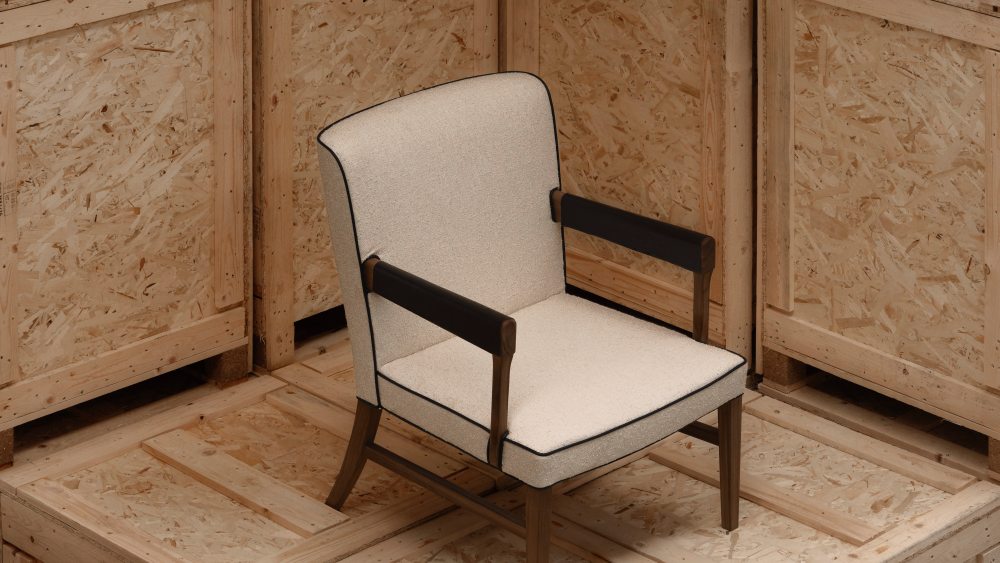
The firm told WWD that it is gearing up to unveil its first proprietary collection of furniture under the Artemest Collection brand. It’s a pivotal step in its transition from a curator of craftsmanship to a full-scale design house.
“After 10 years of building trust with artisans, we felt that it was the right moment to go out and become a real design house, to become a real brand, going out completely from the concept of a platform,” chief executive officer Marco Credendino said in an interview.
You May Also Like
Related Articles
“Founded in 2015 by Credendino and jewelry designer Ippolita Rostagno, Artemest counts Alma Luxury Holding among its key investors. The company is owned roughly one-third by these investors, one-third by the founders and one-third by other initial backers,” he said.
Today it has grown to an online destination with more than 50,000 products by about 1,000 artisans that represent the past, present and future of Italian craftsmanship and creativity.
Venturing Offline
The first Artemest Collection has been designed by Christine and John Gachot of New York’s Gachot and was inspired by the couple’s own living room space. A cultural bridge between American modernism and Italian craftsmanship, it has been envisaged for both hospitality and residential spaces.
“We have long envisioned bringing our furniture designs to market and found a natural partner in Artemest, whose commitment to quality, honesty and craft mirrors our own,” Christine Gachot said.
Going forward, the Artemest Collection will be designed by a different interior design studio and will be made by Artemest’s network of artisans. The first iteration Artemest Collection by Gachot will preview during Milan Deisgn Week at the Artemest Appartmento in Palazzo Donizetti.

A Wave of In-house Collections
Artemest is the latest in a wave of design firms tapping into their own potential. In 2023, gallerist Nina Yashar launched her own exclusive in-house Nilufar Editions collection and of which she is the creative director. As a way to offer Nilufar’s taste to a broader public, pieces have been priced more moderately than collectible works found in her gallery, she said, at a range of 2,000 to 30,000 euros, excluding customization costs.
“Artemest’s Collection is positioned at the high end with premium materials like Loro Piana fabrics, while offering multiple tiers of materials to ensure accessibility.
“It needs to be accessible also in the fact that you probably don’t need, for example, a new sofa tomorrow, but you can buy a vase designed by Gachot,” Credendino said.
The collection includes chairs, tables, lighting and decor items.
Driven by the buoyancy of the American markets, despite macro challenges, design and architecture firms have also been cashing in on their online potential.
Droulers, an architectural design firm founded by sisters Virginie and Nathalie Droulers, announced their directly operated new online business dedicated to the new Droulers Collezione, their creations of furniture, objects, lighting and handmade wallpaper intended for a broader market.
The company, whose residential work spans from London to New York and even the nautical world, has launched its own business-to-consumer e-commerce design shop.
In February, Venetian designer Luca Nichetto and his design studio Nichetto unveiled a platform called Nichecraft, which includes an e-commerce shop he describes as a “container of creativity” that allows him to do whatever he and his team so desire.
In 2023, Basel, Switzerland-based Herzog & de Meuron launched their e-commerce shop called H&dM Objects offering objects of furniture, lighting, accessories and books. French interior and architecture firm Gilles & Boissier also has their own shop.
Diversification
Credendino underscored that Artemest’s success lies in its ability to pivot away from being solely an e-commerce platform and embrace diversification across physical and service channels. Sales doubled by creating multiple touchpoints with customers, expanding markets and forming strong relationships with artisans and designers. The company’s future outlook is based on sustaining this diversification, expanding its physical presence and continuing to balance high-touch service with scalable luxury sales.
Despite market challenges, Credendino said that Artemest doubled its revenues between 2023 and 2025, reaching $40 million in sales. A lot of that growth has been generated by the U.S. market, where Credendino now spends 60 percent of his time. Artemest plans to tap into the U.S. luxury market’s demand for products that are not just functional but also unique, personalized and high-quality.
Global Physical Expansion
Until the dawn of the Iran conflict and until geopolitical tensions arose, the Middle East represented nearly 20 percent of Artemest’s sales, driven by hospitality and residential projects. “There’ll still be projects in the Middle East, less in Dubai maybe, but it’s gonna hurt a little bit,” Credendino noted, adding that the firm expects a slowdown of hospitality projects in the region and global retail due to the conflict.
“We basically, with this strategy, doubled the business. So we moved from $20 million to $40 million in two years, which is unbelievable given, you know, the market situation.”
That success was driven by the decision to go offline with six offices in three continents including the New York City gallery.
“Existing in the physical world was the best thing we have ever done. You need to exist in the physical world to grow and to be considered a luxury brand.
“The future is omnichannel, but real omnichannel, which means you put your face to the client. You need to build that,” he said adding that the New York City gallery has become the anchor of all its U.S. business.
About 50 percent of its revenue is generated by offline sales.
Artemest plans to further expand its physical presence in major design and luxury markets especially where it has teams in place — Miami, Los Angeles, London and Dubai. The firm is currently gearing up to open a permanent showroom in Milan, as part of its long-term strategy.
Looking ahead, Credendino said that Artemest’s strategy is centered on becoming a globally recognized luxury design house while maintaining its core mission: supporting Italian artisans and preserving traditional craftsmanship for a modern, discerning audience.
Among the main drivers are hospitality and contract, he said.
“Many hospitality groups have been investing to differentiate themselves, creating every single hotel, every single resort, every single space to feel more local and different,” he said.
During Milan Design Week, which kicks off Monday, Artemest will unveil its Champions of Craft Awards, a new award program to honor top interior designers and their dedication to supporting Italian craftsmanship. It serves as a platform to celebrate the legacy and future of artisans while strengthening relationships between designers and clients who value craftsmanship. The award will also honor top interior designers and their dedication to supporting Italian craftsmanship.