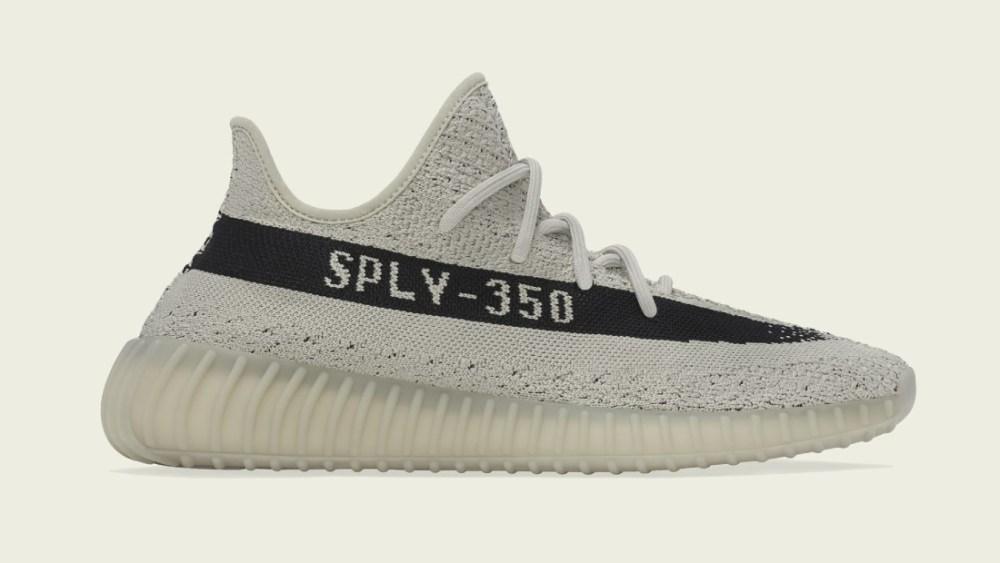
Demand for Yeezy products is exceeding Adidas’ expectations — even after months of intense controversy.
According to a new report in the Financial Times, which cited people familiar with the situation, demand was strong for Yeezy retail orders, which were spread out between the end of May and the start of June.
After officially parting with Yeezy head Kanye West and his brand in October in light of repeated antisemitic statements, Adidas in May announced it would start selling its existing Yeezy products and donate a “significant” portion of proceeds to organizations representing people who “were hurt” by Kanye West’s comments and behaviors. The announcement came after Adidas weighed a variety of options for what to do with the leftover $1.3 billion (or 1.2 billion euros) worth of Yeezy product.
You May Also Like
Related Stories

According to the report, Adidas received customer orders worth more than €508 million (or more than $563 million at current exchange) for 4 million pairs of sneakers by June 2, though net sales were reportedly lower than that total. The report noted that demand was so high that Adidas could not fill every order.
Adidas declined to comment, citing its quiet period ahead of its earnings report on Aug. 3.
Prior to relaunching Yeezy sales, Adidas had grappled with debilitating sales losses with the termination of the Yeezy partnership. In Q4, the German sportswear company’s revenues fell 1% in currency neutral terms to 5.2 billion euros, reflecting a negative impact of around 600 million euro related to the loss of the Yeezy business.
In May, Adidas reported a revenue decline of 1 percent to 5.27 billion euros. Adidas CEO Bjørn Gulden said Adidas’ Q1 sales growth would have been 9 percent if not for Yeezy headwinds.
In a note to investors last month, Wedbush analyst Tom Nikic shared that Adidas’ recent Yeezy launches had sold out and quickly, with many reselling for premiums on the resale market. The launches referenced included 12 pairs of shoes that sold through a two day period starting in late May.
“It appears as though consumer demand for these products still exist, so at the very least, Adidas should be able to sell through the inventory that was already in place when they terminated the partnership with Mr. West,” Nikic wrote, adding that while the total number of pairs was relatively low, the strong response suggests that “demand for the Yeezy products has not been impaired.”
According to Matt Powell, an advisor at Spurwink River and senior advisor at BCE Consulting, one reason for the strong early sell-through could be from resellers looking to make a profit.
“Consumers think they can earn a high multiple on the resale market, since these are among the last Yeezy’s to be sold,” Powell said. However, he noted that these shoes are currently reselling for close to retail prices, which is not yielding major profits for sellers.