Soles4Souls has been thinking big about its role in footwear and apparel reconditioning, and now the nonprofit can play a bigger role globally following its acquisition of Erren Recondition.
The deal was signed a few weeks ago, although terms of the transaction were not disclosed.
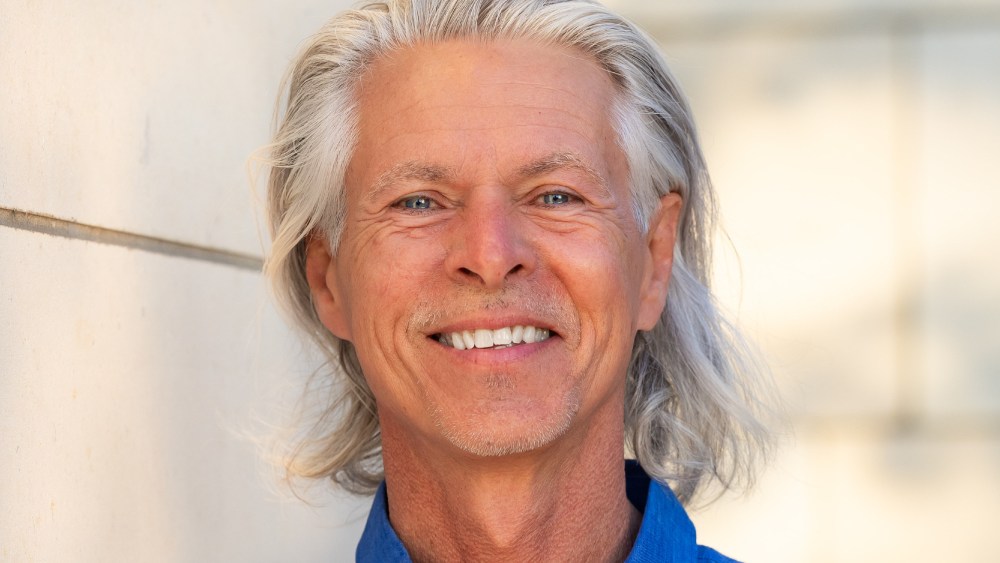
Buddy Teaster, president and CEO of Soles4Souls, said Peter Erren will continue to overseas the operations at Erren Recondition, a 136 year-old firm that is based in Arnhem, Netherlands. It’s new name will be referred to as Erren Recondition, a Soles4Souls company. The firm is known for services that include mold cleanings, repairs, finishing touches, labeling and packaging.
Related Stories

For S4S, the transaction expands the Nashville, Tenn.-based firm’s ability to help brands and retailers extend product life, reduce waste and create economic opportunity through scalable circular solutions that keep quality products in use and out of landfills.
You May Also Like
Teaster told FN the move would allow Soles4Souls to become a one-stop shop for its partners.
“We’ve been part of that solution for a long time, but companies have gotten more sophisticated in what they need [and] we want to be able to respond to that,” Teaster said, adding that the group has been working with Erren since 2019. “There were examples of how a partnership could work in Europe, as well as conversations on how to bring some of that know-how to our U.S. operations.”
The two parties began discussions last September, and things moved quickly from there. “The European market regulation is more sophisticated and complicated than what we deal with in the U.S. A bigger part of the plan for us around solutions for goods is what we’re calling [our] one-stop shop circularity offering,” Teaster said.
Teaster said that while there’s still more to be done on the sustainability front, he predicts that the legislative framework in the U.S. will change over time with extender producer responsibility laws that will likely rely more on the European standard instead of different options for treating product, people and circularity.
The CEO also noted that the complications connected to making shoes has also hindered how fast one can move on the sustainability front. “At Soles4Souls, because we’re not-for-profit, we have this initiative around creating opportunity for people and using shoes and clothes to do that. The stuff doesn’t have real commercial value for e-commerce, but is way too good to be recycled or get in that end-of-life stream. We can repurpose, donate to people in need [and] create economic opportunity for people outside of the U.S,” he said.
Teaster also noted that dress shoes are probably a more difficult segment to recondition due to thinner straps and other detailing.
“The most valuable product, typically, is athletic shoes, and it’s also a giant part of the market. And they are often relatively straightforward to fix. Mold is probably the No. 1 problem,” he said, adding that because of higher price points, companies are more likely willing to spend a few dollars for reconditioning because then they can sell it is as new or send it to an outlet or online market. For cheaper shoes, the value of the shoe and cost to recondition makes for a financial calculation that often doesn’t work for the brands and manufacturers.
Teaster did lament that he often doesn’t have enough product to provide for his firm’s donation programs that provide new shoes and apparel for people in need — and give new branded athletic shoes to kids experiencing homelessness.