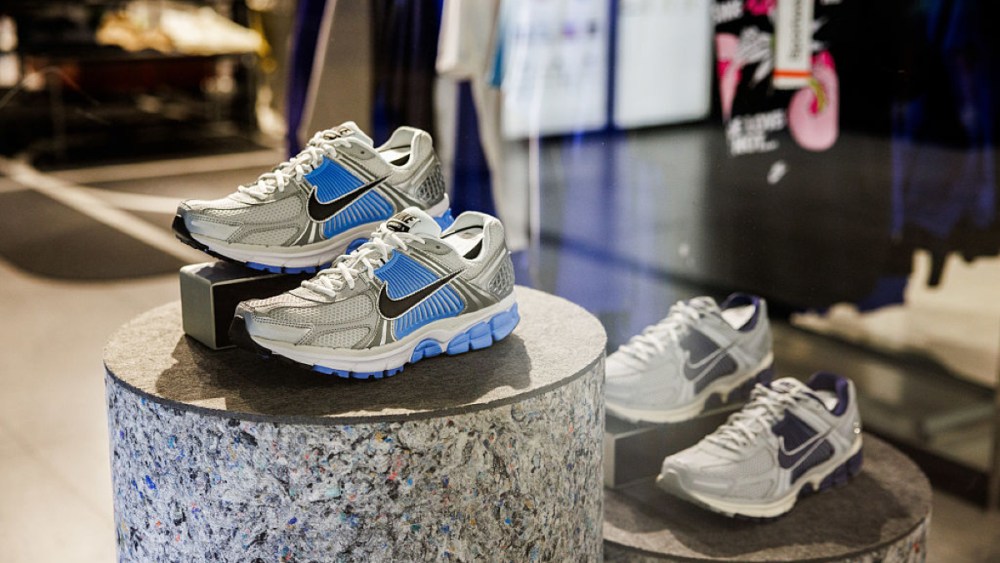

Nike Inc. is in price-adjustment mode, but it’s also being strategic on which items will see an uptick in cost.
The sports apparel and footwear brand is raising retail prices at its U.S. stores — on average between $2 and $10 — but it won’t be for all goods. Nike apparel and equipment will see price increases at between $2 and $10, while footwear prices currently between $100 and $150 will see increases up to $5 and those starting at $150 and higher will see increases up to $10, according to a source familiar with the slated increases.
Related Stories
This person told Footwear News that a large portion of the merchandise assortment will remain at their current price range. There are no increases on any kids’ products, whether footwear or apparel. In addition, there will be no price increases for any Jordan product, whether apparel or accessories. And any product under $100 will remain at current price points. In addition, Nike’s Air Force 1 sneaker, which is priced at $115, will not see any increase.
You May Also Like
“The AF1’s are a popular shoe and is the work-horse” among service providers such as restaurant workers and UPS staff, this individual said. The person also emphasized that Nike is not raising prices on kids’ products because it is cognizant of the needs of “families and the upcoming back-to-school season.”
“We regularly evaluate our business and make price adjustments as part of seasonal planning,” Nike said in a statement.
On the wholesale side, price increases reportedly will start in July when the fall 2025 season is set to begin. News of the price increases was first reported by Complex.
Nike is following in the steps of most footwear brands and retailers, selectively increasing prices based on the product and design features. Brands normally review their cost structure before each selling season and adjust as needed. In recent years, much of the change has been due to inflationary spikes. This year, with the return of Donald Trump as U.S. president and under his administration’s new trade policies, raising prices selectively could be the norm as they grapple with higher tariff rates.
Reciprocal tariffs are a big problem for shoe brands, particularly the 46 percent duty levied on Vietnam and the 145 percent that was later placed on imports from China. While there is currently a 90-day pause on most global goods that ends on July 9 and a separate 90-day pause on goods from China ending Aug. 14, there’s still much uncertainty over what will happen once the freeze on those periods end. Treasury Secretary Scott Bessent said this past Sunday that tariff rates will return to “reciprocal levels” if countries don’t negotiate new trade deals with the U.S.
Nike competitor Adidas reported first-quarter results on April 29, and its CEO Bjørn Gulden said during the company conference call that the expectation is that “people will start to raise prices should these duties or all the duties be confirmed, and that’s what we follow.”
Steve Madden CEO Edward Rosenfeld said during the company’s fourth-quarter earnings conference call in February before reciprocal tariffs were announced that some price increases were likely for the fall back-to-school season. The company, which recently completed its $360 million acquisition of Kurt Geiger, was already shifting production outside of China. Companies were expecting tariff increases as Trump made that a big talking point during his campaign stops last year ahead of November’s Election Day.
Crocs Inc. CEO Andrew Rees said May 8 during the first-quarter conference call that pricing is a potential lever to mitigate against tariff impacts, noting that Vietnam remains a big concern. “Depending on the level of incremental costs that may come from tariffs and other factors, we do expect the industry to go up in terms of price,” he told analysts. He also said that what the “whole industry is worried about if a reciprocal tariff remains in place [is] Vietnam. That’s a huge amount of production for us and everybody else. That would be incredibly hard to mitigate.” Crocs is being “super strategic” on pricing and has implemented some “targeted price increases,” he said.
While China remains the country where much of the lower-end shoes are produced, Vietnam is the key manufacturing hub for sneakers and other athletic performance shoes.