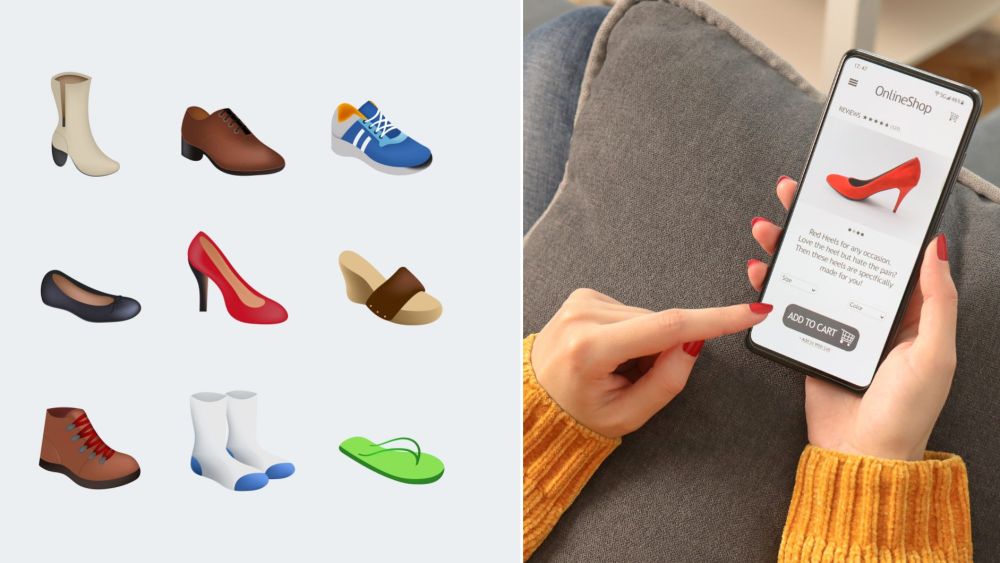
The sneaker and high heel emojis are taking on a new role in online retail.
According to Fast Simon, which provides search and merchandising tools for retailers including Steve Madden and White Fox Boutique, shoppers are using emojis in e-commerce search bars more often, replacing some standard product terms with quicker visual shorthand.
The company said emoji search usage rose 42 percent across 2025. The sneaker emoji ranked number one last year, followed by the high-heeled shoe emoji at number two, with the dress emoji also among the most-used symbols.
Related Stories
This year’s data points to a broader, more expressive field. Fast Simon’s 2026 rankings so far extend beyond straightforward product icons to include the kiss mark emoji for beauty, the boxing glove for sportswear and performance, and a coffee-and-runner pairing tied to active lifestyle and routine searches.
You May Also Like
For footwear, the shift matters because it suggests shoppers are no longer relying only on formal product terms to find what they want. Instead of typing out “sneakers,” “pumps” or a long string of category filters, some consumers are using symbols to convey the kind of product, mood or occasion they have in mind.
That behavior sits at the center of what Fast Simon is describing as “vibe shopping,” a more emotional and non-linear form of product discovery shaped by mobile habits, social media language and AI-assisted search. The premise is simple: shoppers are increasingly searching the way they text and via AI chat, not the way e-commerce platforms once trained them to search.

In footwear, the intent behind an emoji search is not always literal. A sneaker emoji can signal anything from athletic shoes to everyday trainers or a current drop, while a high-heel emoji can point to pumps, dress sandals or other occasion styles.
Fast Simon also said shoppers are increasingly combining emoji with text in hybrid searches, pairing visual cues with specifics like color, price or use case. Examples cited by the company included price-led combinations such as “$200” with a high-heel emoji and attribute-led searches such as “white” with the jeans emoji. For retailers, that means search is becoming less about exact vocabulary and more about interpreting what a shopper is trying to express quickly.
The company’s analysis also pointed to a split between high-intent and low-intent behavior. Some shoppers use emoji to get to a product faster. Others use them to browse a mood, aesthetic or lifestyle cue without starting from a precise item name. That distinction is especially relevant in fashion and footwear, where discovery often begins with a feeling before it narrows into a silhouette.
The bigger retail takeaway? Search is becoming more visual, more instinctive and less dependent on traditional product language. Consumers may not know the technical term for a shoe shape or category. Increasingly, they know the symbol that gets them close enough.
For footwear brands and retailers, the question is whether search can keep up. If a shopper types a sneaker emoji, the results still have to land on the right mix of product, price and style. As vibe shopping picks up, even a simple shoe icon is starting to carry more weight in how people browse.