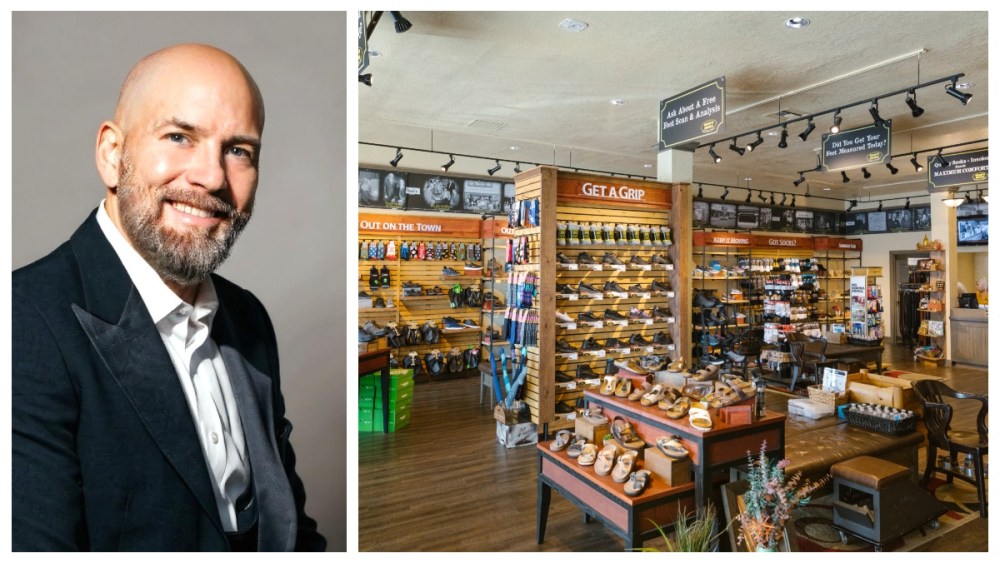
Adam Beck, chief executive officer of California-based retail chain Beck’s Shoes, recently spoke with FN about the changing work boot customer and how his company is investing in brands to stay a step ahead of the competition.
How has the business changed with more Gen Z and female workers entering the trades?
Adam Beck: “I have to start focusing on different things, because I have younger consumers, but I still have the traditional blue-collar consumer and then I also have women coming in, and women are underserved from a comfort and fit standpoint. And the work industrial category is no longer just about utility; it’s a lifestyle category. There are so many people who come in and want to try on all these different styles, which is a change from, ‘Hey, I want another pair of the same thing I had last time.’ They want to see something new. So for me to be competitive in that landscape, I have to use more of my cash to stock more styles.”
Related Stories

What’s selling well in the work category right now?
You May Also Like
AB: “Athletic-inspired safety footwear that’s lightweight with safety toes — that’s been trending for a long time and continues to be strong. In terms of brands, Keen Utility is doing great for us. We just got Red Wing back, and we’re crushing it there. Reebok Work continues to be very strong — again going back to that athletic-inspired safety footwork. There are a couple emerging ones, too, which is very interesting. Brunt is doing a great job. We bring in thousands of pairs at a time and, literally, they’re gone. And we don’t even have to market it.”
Where do you see opportunity?
AB: “We have so many great partners, but we realized we need to start building our own brands. We’re going to do a made in the USA tribute boot to my grandfather. It’ll be called the Bill Beck Boot. It’s going to be waterproof, puncture-resistant, slip-resistant with great leathers. It’ll have every bell and whistle. But there’s no way I was going to make it in China — he would roll over in his grave — so I’m making those in the States. That’s been a passion project for two years and it’s finally happening. Also, I’m going to have a minority interest in a company called the DL One Family of Brands. It comprises five different brands, some of them are licensed and some are brands that are owned.”
Which sales channels are growth areas for you?
AB: “When I learned what ‘omni-channel’ meant 20 years ago at [a National Shoe Retailers Association] event, my family and I took that to heart. We have what’s called a portal site [for our enterprise clients], and it’s different than our Beckshoes.com site. So we’ll set up these big deals with companies and we actually manage their employee data roster. We also have our mobile trucks that we drive out to them. But to get these deals, I’m trying to separate from the pack, and our brick-and-mortar experience [helps us do that]. One big company was building a huge, 5 million-square-foot facility, and they said, ‘Hey, can you build a Beck’s Shoes location in our plant?’ It’s a full-line store, not just safety shoes. So we have e-commerce, brick-and-mortar and mobile creating a hybrid experience — it’s basically the old omnichannel approach on steroids.”
What are the biggest challenges you’re facing?
AB: “E-commerce competition continues to be fiercer than ever before. With direct-to-consumer, all the vendors that I work so hard to build partnerships with, I would say 60 to 70 percent of them are just going after it themselves and cutting me out. So that’s why I’m going to be doing [those other ventures].”