
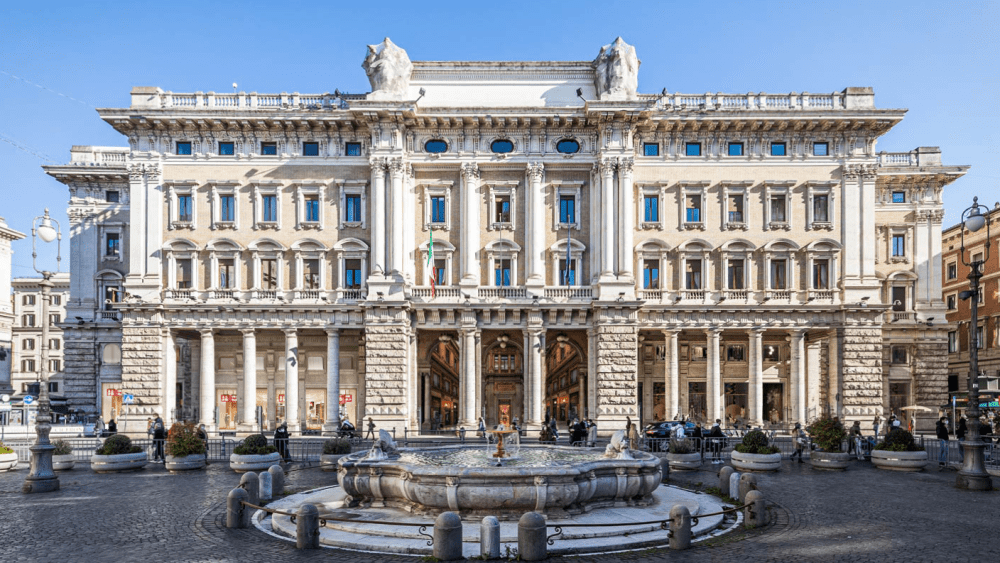
ROME-BOUND: After testing the waters in Italy with the first flagship opened in 2019 in Milan, Uniqlo is ready to double down in the country, opening its second outpost in Rome.
Due to be unveiled in the spring, the store will be located inside the storied Galleria Alberto Sordi on Via del Corso, one of the key shopping thoroughfares in Rome. The unit covers about 14,000 square feet over three stories and will carry the Japanese retailer’s men’s, women’s and kids’ wear collections.
Related Articles
“It is an honor for us to open in the capital of Italy, a city with such a strong cultural heritage, and increase our presence in the Italian market with a store in the Galleria Alberto Sordi, an important retail location that first opened 100 years ago,” said Mark Barnatovic, chief operating officer of Uniqlo Italy.
You May Also Like
“We look forward to offering our Uniqlo LifeWear, apparel that is created from our Japanese values of quality, simplicity and longevity and helps improve people’s daily lives, to Uniqlo fans and customers in Italy as well as visitors from abroad,” he added.
Teasing the upcoming opening and prepping the grounds for its retail debut in Rome, Uniqlo has launched a dedicated landing page on its website that details a range of cultural activities that the retailer has linked with.
They include, among others, tie-ups with Rome’s MAXXI, the Museum of the Arts for the 21st Century; Romadiffusa, a project by creative agency BLA_Studio geared at spotlighting unexpected corners and hot spots of the city; charity initiatives spearheaded by Ridaje, focused on enhancing the city’s greenery, and Fondazione Progetto Arca Onlus, supporting homeless people.
As of October, Uniqlo’s European business counted 70 stores across 10 countries. The Japanese retailer entered the continent in 2001, when it opened its first store in the U.K. where it now counts 17 stores, followed by France, where it landed in 2007 and has since opened 26 stores. Additionally, Uniqlo has 10 stores in Germany and a presence in Belgium, Spain, Sweden, the Netherlands, Denmark and Poland.