
LONG BEACH, Calif. — With eyelash extensions, organic treatments and novelty ideas, the recent International Congress of Esthetics show here was specifically targeting the people who provide the services — the aestheticians.
Currently in its fourth year, the skin care and spa show — which also takes place in Miami, Dallas and Philadelphia — was host to some 10,000 aestheticians at the Long Beach Convention Center between Sept. 16 and 18. Attendance was up 30 percent over last year, said the ICE’s marketing director, Christele de La Haye. Visitors came to check out the offerings from some 400 exhibitors across the beauty spectrum, from vendors of hair-removal wax and body-contouring machines to pumpkin peel masques and mink eyelashes. Also on offer were dozens of workshops on diverse subjects such as permanent makeup, how to choose the right spa equipment and photo-rejuvenation.
The show also provided a venue for launches of entire lines or product categories. Ilike, a Hungarian skin care brand that was founded 50 years ago by a now 80-year-old woman — Aunt Ilike — was introduced to the U.S. earlier this year. But at the show, it launched a men’s line in a bid to cater to the boom in men’s salons and spas. The three products in the collection include the Black Exfoliating Wash, an After Shave Gel and a Stonecrop Daily Moisturizer.
Szilvia Hickman, senior vice president of Szep Elet, the Indianapolis company that distributes Ilike nationwide, said the men’s collection was in keeping with the rest of the 70-item line, which uses organic fruits and vegetables to combat ailments such as rosacea, acne and skin dryness. Products include masques made from sorb apple berries, a rose hip serum and a cleanser made from sweet red rose. The products carry an average retail price of $40. Hickman said that the line is now in about 100 venues across the country and Canada and has a healthy retail life because of its beauty boutique-type packaging.
“The organic market is huge and constantly growing, especially in key markets that are quite sophisticated, such as areas on the West Coast and in northern California, Florida, Arizona and Texas,” Hickman said. “These are noninvasive but effective products using old family recipes from a company that is still family-owned.”
Related Articles
You May Also Like
Vendors agreed that there was demand for all-natural products marketed or used in a novel way. Lotion candles — the wax can be used on the skin — is a growing business because spa-goers often buy them as gifts on their way out. James Martens, chief executive of L’Ocean, a company based in Cornelius, N.C., said the business had grown 700 percent over last year. Their products are sold in about 80 day spas, beauty salons and spas nationwide. The company’s president, Zack Alper, said the lotion candles provided an interesting and fun experience for consumers, and this often led to sales at the front end. The L’Ocean candles come in fragrances such as Sweet Vanilla, Mango Breeze and Lavender-Eucalpyptus and contain shea butter, jojoba and coconut oil instead of soy, which most lotion candles are made with. Alper said he is also looking at distributing the product in beauty boutiques or department stores. The candles carry a retail price point of $12.95 to $32.95.
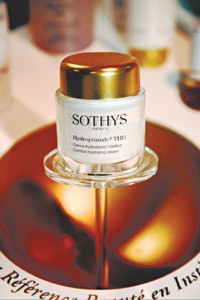
That novelty approach could also be seen at established French brand Sothys, which was introducing its new Seasonal Professional Treatment, a salon facial that uses different ingredients depending on the time of year. For fall 2006, the company’s specially designed 50-minute revitalizing facial uses mulberry, chestnuts, red grapes and figs. For next summer, cotton and linen will be used as foundations for skin treatments, while orange blossom is on the schedule for fall 2007.
“This is really the first step we are taking in the concept of seasonal treatments,” said François Requier, general director of Sothys Paris’ U.S. headquarters in Miami. The firm received numerous orders during the show and was preparing to ship product before the end of the month. According to Requier, the ingredients were selected for their healthful properties: the chestnut cream for its ability to nourish the skin, and figs and grapes because they are effective antioxidants. The mulberry is applied in a gel form.
“Each time of year has specific needs for the skin, and with treatments like this we can adapt our products for the market,” he said.
Over at G.M. Collin, business development manager Nick Mockridge said the crowds at the booth on Sunday, the second day of the show, were four-deep for the brand’s signature salon treatments such as the Botinol facial. Mockridge said the cash-and-carry aspect of the show worked because it allowed aestheticians new to the line to try it before committing to a minimum order. Mockridge also said that a couple of new products would be rolled out in the next month, although details were sketchy: One is a cream specifically for rosacea, while another contains eight different antioxidants.
But the buzz at the show was all about eyelash extensions.
“People thought it was just a fad, but we’re getting a lot of calls to go in and train aestheticians,” said Denise Colak, director of marketing for ELashes, a Granada Hills, Calif.-based company that trains salon staff and also produces its own line. Among the company’s new introductions: mink lashes that carry a $250 price tag and will be available in the next few weeks through high-end beauty-supply and department stores. The company was also launching pure silk lashes.
“It’s a growing part of the beauty business,” said Colak. “People are looking for something like this that’s fun.”