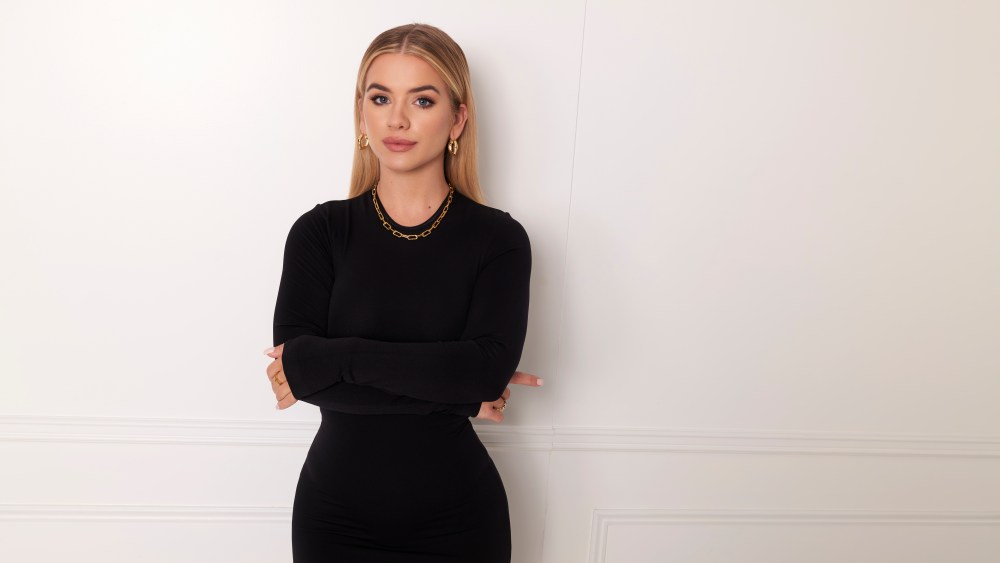
LONDON — Tala, the activewear label founded by British influencer and entrepreneur Grace Beverley, is ready to take the business up a gear with $5.7 million in new funding.
Beverley launched Tala in 2019 and since then has built a “small but mighty” team of 12. She’s been self-funding it until now, and carving a niche for accessibly priced, sustainably made workout gear, which often sells out within minutes.
Money from the first round of funding will go toward international expansion, recruiting new talent and investing in product inventory in order to meet demand.
Leading the round were U.K.-based venture capital firm Venrex, which also has stakes in Lyst, Charlotte Tilbury and Samantha Cameron’s label Cefinn and which just linked with the British Fashion Council in a new fund to support start-ups, and Active Partners, a fund focused on sustainably minded brands such as Rapha or the transparent jewelry label Taylor & Hart.
Related Articles
Other investors include Nicola Milner, the chief executive officer and founder of Deciem; Rapha founder Simon Mottram, and Michelle Kennedy, CEO and founder of Peanut, an app that connects women navigating motherhood and fertility.
You May Also Like
Active Partners’ investor Jason Mahendran will join the board of Tala.

“Especially in the last year, it’s become clear that Tala has what it takes to disrupt the activewear market, in terms of both our product market fit and the customer excitement we see. But for all our self-funded growth, it feels like we’ve just scratched the surface,” Beverley said.
The brand’s e-commence platform has had more than 1.8 million visits in the last two months, while a recent launch of the Skin Luxe collection brought in 423,000 pounds of revenue in the first two hours. Tala’s first foray into outerwear last year resulted in 270,000 pounds worth of sales in an hour, according to the company.
Beverley believes that Tala’s success lies in the combination of sweet-spot price points; ethically made products, and performance, with particular attention paid to fit and sweat-wicking qualities.
Products are made using a mix of recycled and natural materials, including regenerated waste materials, Lyocell, bamboo and organic or recycled cotton. Prices range between 30 pounds for a sports bra to 130 pounds for a puffer jacket.
“Customers can be part of a brand that shares their values, cares about the planet, yet not at the expense of the rest of their experience. You can’t ask the customer to compromise for a sustainable equivalent. We have to make sure the performance aspect of our products is top-of-the-range — full stop,” said Beverley, who founded Tala in a bid to move away from fast fashion and promote ethically made products to her audience of more than 1 million Instagram followers.
“Grace has done an amazing job in terms of brand building, developing a genuine understanding of the customer and what they look for both in terms of product, but also the types of brands they want to engage with,” Mahendran said.
“Now it’s about scaling those existing channels and lines of communication, with different forms of marketing, and really articulating how Tala products tick all the performance and sustainability boxes.”
Mahendran added that Active Partners can help Tala build out its product offering and scale it to global markets, as well as recruit talent and “quickly fill in the right areas.”
“It’s so important that Active Partners can come in and help make sure that we have the right people in the room. They got it from the beginning, which means we can continue to grow Tala, while keeping its ethos and everything that makes it special,” said Beverley, adding that she is looking forward to having the right amount of inventory to service her growing audience, as well as taking her mission global.
“We ship globally and have a loyal international audience, especially in Australia and the U.S., but haven’t made any meaningful efforts so far in terms of offering localized sites and currencies. We’re going to study the customer, and really understand what they want in each market.”
Tala’s life and growth trajectory might have mostly taken place amid the pandemic when activewear was in high demand, yet Beverley is confident that this is only the beginning for the brand. The appeal of active and comfort wear is becoming normalized in the new world of hybrid and remote work, and going beyond the early Gen Z and Millennial adopters.
“Athleisure has just become the way we all dress. It’s hard to wake up on a Monday morning and think of a suit as an appealing option. This isn’t going away, there’s a real audience that sees this as the way to dress and that’s the same audience that’s passionate about our values,” she added. “We’re having important conversations with our audience and that’s not going to regress either. We’ve planted the seed over the past two years and that’s only going to accelerate.”