
LONDON — The U.K. is tightening the noose on Russian trade, barring a host of high-end goods from entering the region and slapping higher taxes on 900 million pounds’ worth of imports, such as vodka. The U.K. has also added more oligarchs, and rich Russians with ties to Vladimir Putin, to its sanctions list, which was first published last week.
On Tuesday, the U.K. revealed plans to deny Russia and its ally Belarus access to Most Favored Nation tariffs for hundreds of exports, adding an extra 35 percent tariff to the current rate.
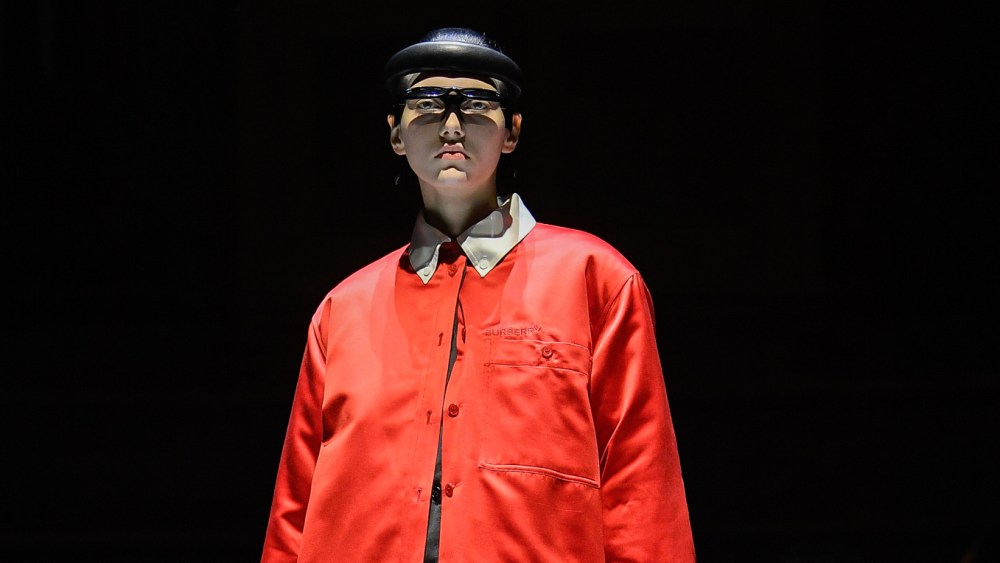
In line with its G7 allies, the U.K. government also plans to ban exports of luxury goods to Russia. Some companies, such as Burberry, were a step ahead, halting trade with Russia and shuttering stores there more than a week ago.
Related Articles
The government said Tuesday that high-end items such as luxury cars and works of art will also be subject to the ban.
You May Also Like
“The measures will cause maximum harm to Putin’s war machine while minimizing the impact on U.K. businesses, as G7 leaders unite to unleash a fresh wave of economic sanctions on Moscow,” the government said Tuesday.
It added that the export ban will come into force shortly “and will make sure oligarchs and other members of the elite, who have grown rich under President Putin’s reign and who support his illegal invasion, are deprived of access to luxury goods.”
International trade secretary Anne-Marie Trevelyan said the U.K. stands “shoulder-to-shoulder with our international partners in our determination to punish Putin for his barbaric actions in Ukraine, and we will continue our work to starve his regime of the funds that enable him to carry them out.”
She said the World Trade Organization is founded on “respect for the rule of law, which Putin has shown he holds in contempt. By depriving his government of key benefits of WTO membership, we are denying him further resource for his invasion.”
As reported last week, the U.K. imposed asset freezes and travel bans on seven leading oligarchs, and 386 members of the Russian Duma.
Helen Brocklebank, chief executive officer of the British luxury association Walpole, said: “We are fully supportive of the economic sanctions being imposed on Russia by the U.K. and its allies. All of our members have immediately complied with the sanctions imposed, and are working to support local employees in any way they can. The events in Ukraine are a tragedy for its citizens and we hope for a swift de-escalation of this deeply troubling situation.”
Separately, the government confirmed on Tuesday that it has provided humanitarian aid to Ukraine totaling nearly 400 million pounds. It has also sent defensive weapons, including more than 3,600 anti-tank missiles, to the country and essential civilian supplies, such as generators and medicines.
On Monday it established a refugee scheme called Homes for Ukraine, and is asking people to host individuals and families fleeing the war. On Tuesday, Prime Minister Boris Johnson said more than 100,000 Britons and organizations, such as churches, had volunteered to take people in.
The program recalls the Kindertransport, which saw the U.K. rescue thousands of Jewish children from the European Continent at the start of World War II, and place them with families up and down the country.
Businesses are also hoping to do their part, and are preparing to fill job openings with Ukrainians.
Earlier this week Lush, one of the U.K.’s largest beauty companies, said its recruiters are meeting with the U.K. Refugee Council in the coming days to talk about potential opportunities across the business, as therapists, barbers, hairdressers and IT experts, in manufacturing or as warehouse or retail assistants.
“We are happy to consider refugees for any role, even those we would usually advertise for internal candidates only, and can work with the council to address roles on a case-by-case basis to set people up for success,” said Lush.
The company said it will support travel and relocations “where we can, regardless of whether people join us or not. We’d welcome the opportunity to support those transitioning to working in the U.K. We can offer career coaching, interview skills and CV building for candidates that would like that,” the company said.
As reported earlier this month, the British Fashion Council said it was offering resources to Ukrainian designers, retailers and media, and encouraged “all those in our network to show their support, however they can, for the global campaign condemning Russia’s invasion of Ukraine. This campaign is aimed at the Russian government, not the teams of our designer members and patrons in Russia, or indeed Russian colleagues.”