
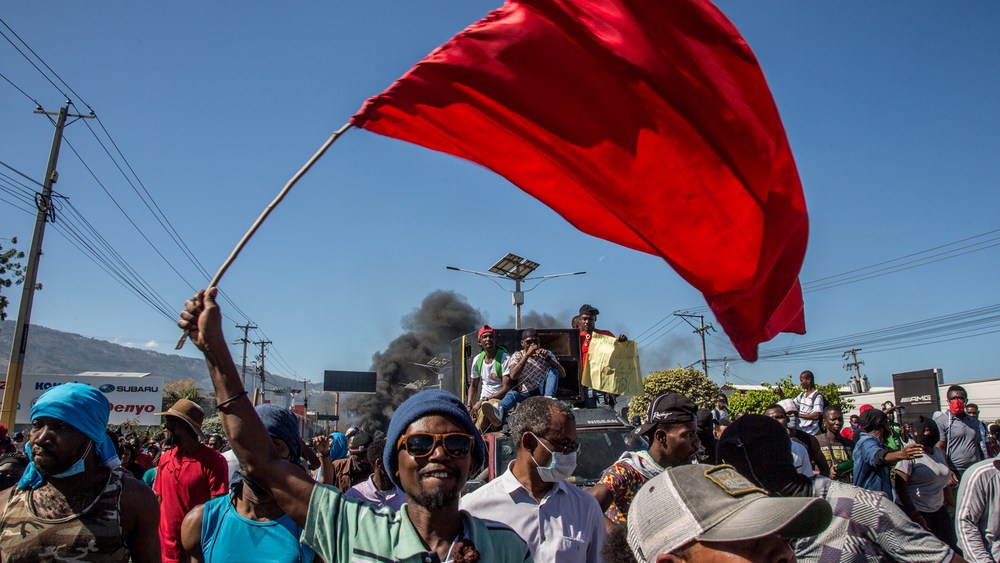
As large swathes of the Haitian capital of Port-au-Prince have succumbed to gang violence, resulting in surges of killings, kidnappings and sexual violence that have forced more than a million civilians to flee from their homes, the Caribbean nation is facing a humanitarian crisis like never before.
Now, with the expiration of U.S. legislation that helped create tens of thousands of jobs through duty-free benefits that attracted prominent American brands like Gap Inc., Fruit of the Loom, Hanes and Calvin Klein owner PVH Corp., it’s about to experience an even worse economic one as well.
Related Articles
With the lapse of the programs known as the Haitian Hemispheric Opportunity through Partnership Encouragement (HOPE) Act and the Haiti Economic Lift Program (HELP) Act on Wednesday, the Western Hemisphere’s poorest country risks forfeiting what remains of an industry that generated 90 percent of its total exports, with more than 80 percent destined for the United States.
You May Also Like
Absent a renewal that rolls back apparel duties of up to 30 percent, plus a 10 percent “reciprocal” tariff, at least three-quarters of Haiti’s garment sector will shut down, leaving mass unemployment in its wake, said Telemarque Pierre, national coordinator of Batay Ouvriye May First Union Federation, or ESPM-BO, a workers’ rights group that brings together unions across several industrial parks.
Without their jobs, he said, young women might resort to selling goods in open markets or going door to door. Young men might turn to motorbike taxi work if they can afford a vehicle. Many could also leave the country in search of better fortunes abroad. But gangs could also find it easier to recruit members. And older workers with no skills, savings, social security, government support or mobility, could be staring down at a future that is at once uncertain and precarious.
“The truth is those foreign factories and their buyers don’t come to Haiti out of goodwill,” Pierre said through a translator. “They come for the trade benefits and low wages. Without HOPE/HELP, they may shift production to other, more politically stable countries, even though wages here are low.”
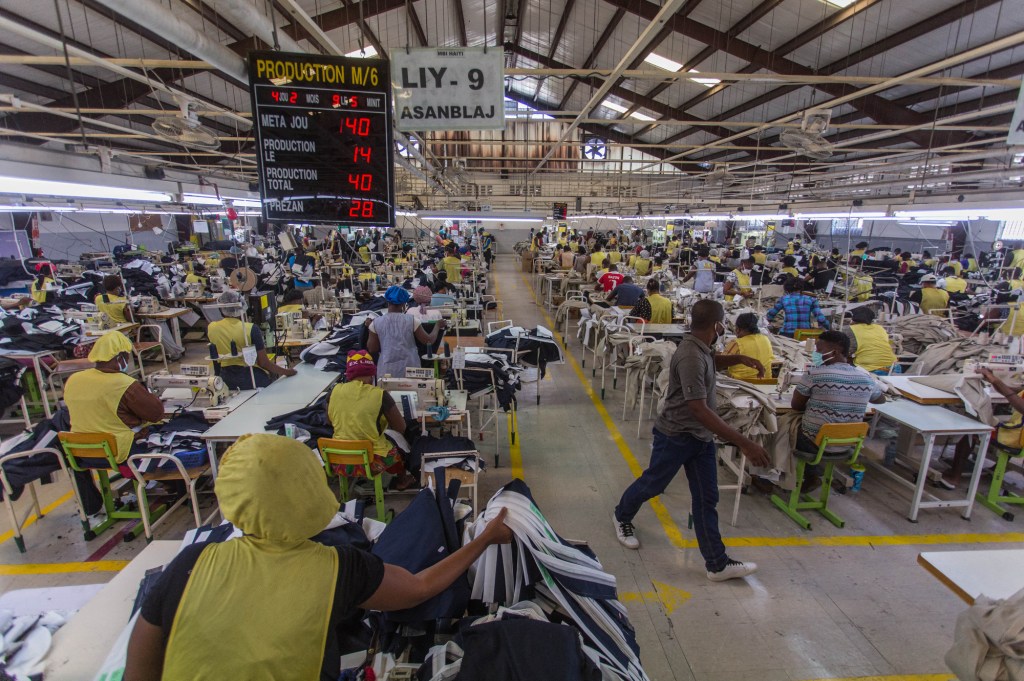
Deteriorating conditions driven by heavily armed criminal groups whose influence has only grown since the 2021 murder of President Jovenel Moise have already severely dented the labor market. A May report from Better Work Haiti, which was established in partnership with the International Labour Organization and the International Finance Corporation, as a requirement of the HOPE act in 2008, to enforce what it says are “core” labor standards, reported a spate of permanent factory closures that by November 2024 had left 26,500 workers still employed, marking a loss of 7,350 jobs from the year before and another 10,200 jobs in 2022.
The organization also cited trade data from the U.S. Department of Commerce’s Office of Textiles and Apparel, which reported a 28 percent drop in Haiti’s total export revenue from roughly $824 million in 2023 to just under $600 million.
“The textile industry is at a critical juncture,” Better Work Haiti said. “Revenue losses and job cuts are taking a severe toll on factory-dependent communities. Urgent stakeholder engagement and decisive intervention are essential to stabilizing the sector and preventing further economic decline.”
Even as late as August, Beth Hughes, vice president of trade and customs policy at the American Apparel & Footwear Association, a trade group that represents many U.S. brands that were sourcing from Haiti, was feeling bullish about the odds of HOPE and HELP’s renewal. The trade preferences had long enjoyed rare bipartisan support because they provided Haiti with cost-effective economic support that bolstered the use of American cotton, helped shift supply chains out of China closer to home and limited illegal immigration through job stability in the region.
And unlike other countries hit with new tariffs, the United States maintains a trade surplus with Haiti to the tune of nearly $600 million in 2024. This is largely due to the fact that the United States dominates Haiti’s rice market.
“Haiti HOPE/HELP have done a lot more than just help U.S. companies source closer to the U.S. market,” she said. “And so I think we’ve come a long way, and we wouldn’t want that to diminish at all.”
Despite President Donald Trump’s exhortations in May that the United States doesn’t necessarily need a “booming textile industry” and that his “America First” policies were designed to reshore the production of “chips, computers, tanks and ships” rather than “T-shirts and socks,” Hughes doesn’t see any mismatch in strategy.
“They align with national security concerns. They align with immigration concerns,” she said. “They help U.S. cotton farmers and U.S. brands and retailers. So I don’t see a reason not to redo these programs. At a time when we do have reciprocal tariffs, on top of our FTA partners and our trade preference partners, I think Haiti still remains competitive and a logical sourcing partner.”
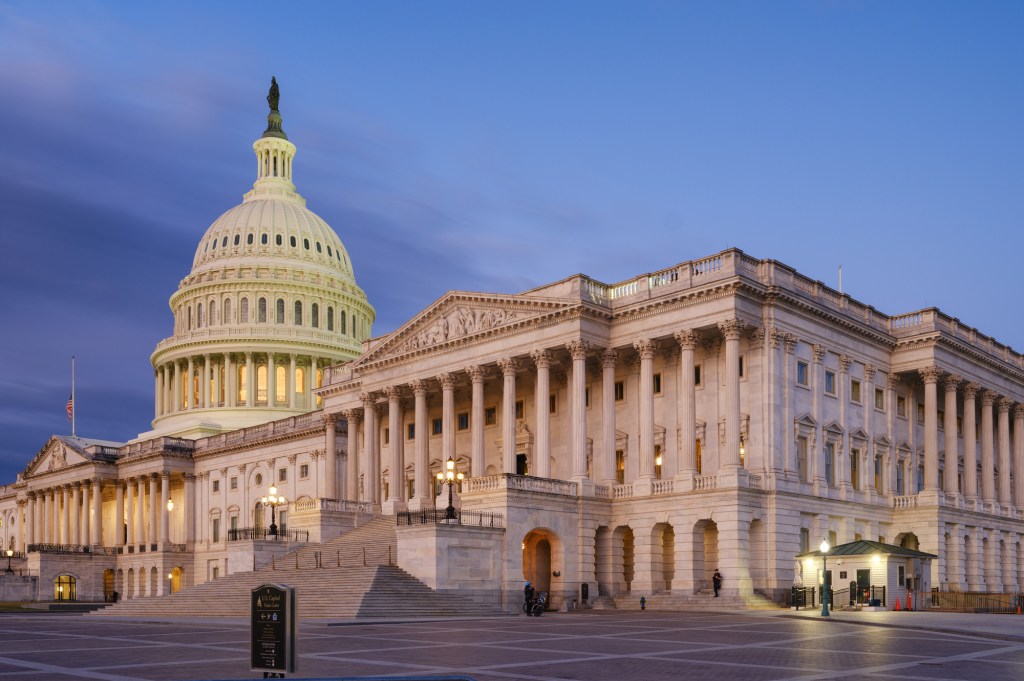
The federal government shutdown aside, the HOPE and HELP acts, together with the African Growth and Opportunity Act (AGOA), could still be extended retroactively if Congress acts swiftly. On Tuesday, the U.N. Security Council approved a 5,500-strong international “suppression force,” backed by the United States and dozens of other nations, to neutralize the gangs. The programs could lend further stability to the country, said Congresswoman Stacey E. Plaskett, a Democrat who represents the Virgin Islands.
“The dire circumstances in Haiti require immediate action,” she said in a statement. “The apparel sector is of incredible importance to Haiti’s economy and presently is the foundation for the country’s economic development. Given the cascading job losses and extreme security crisis, Haiti cannot afford to wait any longer for the reauthorization of this vital program. Companies will increasingly shift production away from Haiti unless it is clear that HOPE/HELP will continue. Haitian production and jobs would benefit from the certainty of longer-term trading access to the United States.”
Who benefits?
But if American brands are still producing in Haiti, albeit at reduced levels, they’re doing it less out of concern for the Haitian workers than because it remains financially beneficial for them, Pierre said. When it comes to U.S.-Haiti relations, he added, the United States has often prioritized American interests over Haitian ones.
This is apparent on the production floor, where the minimum daily wage of 685 Haitian gourdes translates to just over $5 for a day’s worth of work. Once taxes are deducted, the remaining amount is “nearly impossible” for workers to meet their basic needs, Pierre said.
“To survive, many workers push themselves beyond their limits to earn extra wages through production bonuses, which are very hard to reach,” he said. “Inside the factories, conditions are also very bad. The work floor is cramped, and during the summer heat, it becomes hard to breathe comfortably because the floor is not well air-conditioned. Workers also face harassment from supervisors — both sexual harassment and intimidation —when they take breaks, even for the restroom or to drink water.”
In its report, Better Work Haiti noted an “overall trend” of non-compliance in the country’s garment industry, from a lack of accessible emergency exits to failures in paying overtime wages correctly. Social dialogue also needs strengthening, it said. While some factories engage in bipartite discussions, many lack proper mechanisms for collective bargaining. All of this could worsen without further technical assistance and support for remediation.
GOSTTRA, a Haitian textile workers’ union and an affiliate of IndustriALL Global Union, has been pushing for training initiatives that can provide workers with alternatives to the garment industry. Having so much hinge on the renewal of the HOPE and HELP acts has always been a dicey proposition. Now the workforce is wholly unprepared.
“Factories in Haiti don’t provide opportunities for their workers to learn any other skills,” Eliacin Wilner, an organizer with GOSTTRA, said through a translator. “And so many of the workers who work in the textile industry in Haiti do not have any other skills besides working in the textile industry.”
The leading reason American fashion companies import from Haiti is the low cost, said Sheng Lu, professor of fashion and apparel studies at the University of Delaware. He said that while Haiti primarily exports cotton shirts and man-made fiber shirts to the United States, such basic items are also widely available elsewhere, including from many low-cost Asian countries and other Western Hemisphere countries, including members of the Dominican Republic-Central America Free Trade Agreement.
Notably, according to the United States Fashion Industry Association’s 2025 fashion industry benchmarking study, which Lu helped put together, roughly one-quarter of respondents indicated that they were open to exploring alternative sourcing destinations in CAFTA-DR and USMCA if the HOPE and HELP agreements are not renewed in a timely manner. The percentage was much lower for AGOA, he added.
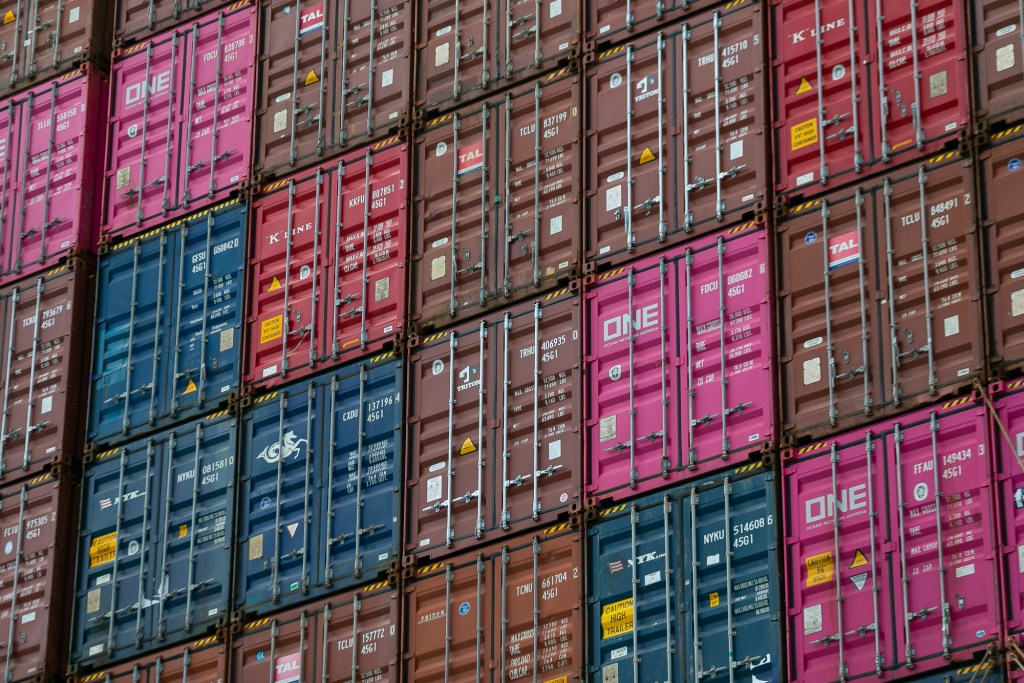
The lapse of the HOPE and HELP acts could hurt Haiti in other ways. Haiti’s apparel exports to the United States, Lu said, depend on the flexible rules of origin provided by the programs, which, unlike the Caribbean Basin Trade Partnership Act, allow it to use third-party textile materials instead of expensive U.S. yarns.
“Without such flexibility, it could be very challenging for small and medium-sized garment exporters in Haiti to meet the restrictive and complex rules of origin,” he said. “And should Haiti have to use expensive U.S. yarns and other textile inputs because HOPE/HELP has expired, it could make its products lose price competitiveness.”
Jake Johnston, senior research associate at the Center for Economic and Policy Research in Washington, D.C., said that the United States bears a “tremendous responsibility” for the current state of Haiti because the policies it has pursued have essentially divorced the Haitian state from the needs of the Haitian people. Caracol Industrial Park, which was heavily promoted by the Clinton administration as an exemplar of post-earthquake economic development, is now a testament to poor governance that has struggled to help Haiti “build back better.” Of the 65,000 jobs that were promised, for instance, only a small fraction have manifested and even fewer have remained.
“I do think there is sort of a moral responsibility,” he said. “This isn’t just a crisis that Haiti is making. This is a crisis of our own making, too. And so, we certainly can’t just close our eyes and wash our hands.”
Johnston, the author of “Aid State: Elite Panic, Disaster Capitalism and the Battle to Control Haiti,” is a HOPE and HELP skeptic who questions if Haiti has benefited at all from the programs.
“Is it better than what the alternative would have been?” he said. “Because, the proponents of the industry would say, ‘Well, there are no jobs, so any job is better.’ I mean, you can see the lines of people waiting to try and get a job at these factories, and then tell you that this is helpful, right? And you say, ‘Well, yes, on the one hand, if people want the jobs, I guess it’s good that they can have jobs.’ But could there have been other investments? Could there have been other industries promoted that could have had a greater development effect for Haiti? If they had tried from the beginning to raise labor standards instead of ignoring them until sort of more recently, would that have changed things?”
Even so, Haitian leaders have been lobbying Congress for months to try to get the HOPE and HELP acts extended. For them, the programs are a lifeline to thousands of workers and their families.
“HOPE/HELP is not an aid program or one-way trade benefit,” Maulik Radia, president of the Association des Industries d’Haïti, the Haitian industrial association, said in February, following the introduction of the HELP Extension Act by Congressman Greg Murphy, a Republican from North Carolina. “It helps maintain apparel jobs in the hemisphere and Haiti, and for every dollar Haiti can export to the United States, Haiti spends a dollar on U.S. imports. This is reciprocal trade. HOPE/HELP is the one economic tool that can quickly provide jobs for Haiti and move the country forward, and timely action is critical.”
For Pierre’s part, he has two requests. First, to renew the HOPE and HELP acts because the consequences of not doing so would “be devastating” for Haiti’s garment workers, especially after the dismantling of the U.S. Agency for International Development, better known as USAID, and the funding that underwrote the civil society organizations many relied on for social assistance.
And the second? “Let Haitians make decisions for themselves,” he said. “Only Haitians truly know what they need and want.”