
Wall Street is still trying to get its head around Farfetch’s new strategic partnership with Neiman Marcus Group.
While the deal gives the luxury e-commerce player a much stronger footing in the key U.S. market and an opportunity to push more goods through its platform, investors seemed to wonder about the upside to the $200 million minority investment that Farfetch plans to make in Neiman Marcus.
And that might have played into the 4.5 percent stock decline Farfetch logged after the deal was revealed on Tuesday. (The stock fell another 8 percent to $15.16 on Wednesday, when markets were showing broad declines.)
Luca Solca, a luxury goods analyst at Bernstein, said: “This should be good news for Farfetch, as [Farfetch Platform Solutions] contracts should allow it to grow [gross merchandise volume] and leverage fixed costs. The fact that Farfetch has to invest $200 million in the context of this deal has possibly reduced market enthusiasm — as if to imply that the FPS proposition alone is not appealing enough? I wonder.”
Related Articles
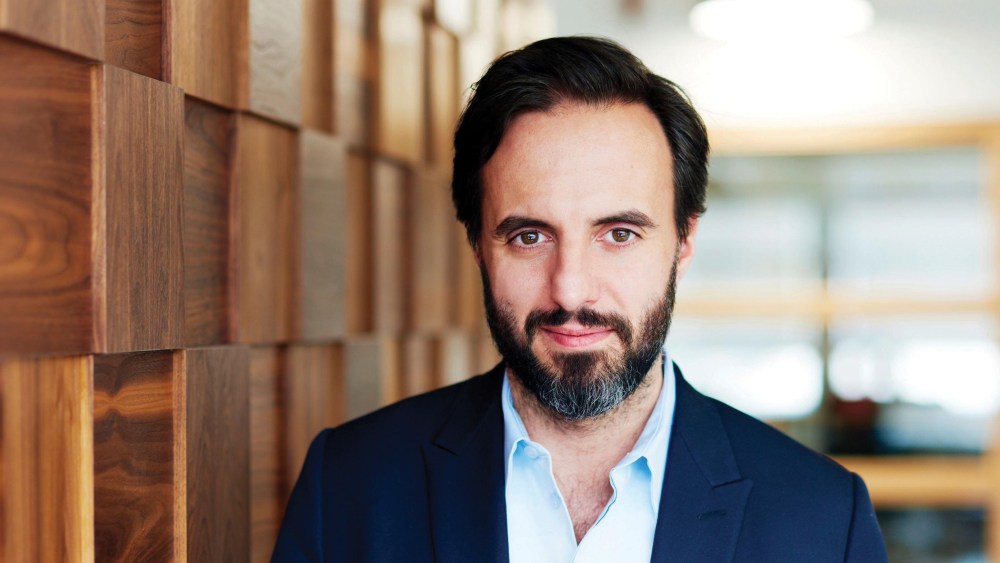
Farfetch has, at times, been a tough company for investors to understand, particularly as so many on Wall Street are making trades with short-term investment horizons and chief executive officer, chairman and founder José Neves is looking to the long term, trying to stitch together an operating system for fashion in the digital age.
You May Also Like
So far, many of Neves’ bets seem to be paying off, from the move away from price promotions and the acquisition of streetwear producer New Guards Group to the mega partnership with Alibaba and Compagnie Financière Richemont.
Morgan Stanley analyst Lauren Schenk dug into the numbers and estimated that the partnership with NMG would contribute about $20 million in profits to Farfetch in fiscal 2023 and about $100 million over the medium term.
“While bears see a low [return on investment] on the $200 million investment, ROI looks attractive if this potential scenario plays out,” Schenk said in a research note. “It also allows Farfetch to participate in upside it believes FPS can enable.”
The partnership will start with the “re-platforming” of Neiman Marcus’ Bergdorf Goodman website and app. But the deal will eventually also bring Farfetch’s high-tech approach to Bergdorf’s New York flagship and plug the whole Neiman Marcus business into the Farfetch ecosystem.
Schenk said: “There will be some up-front, one-time revenue contribution in [the second half] for the initial Bergdorf build fee, which was contemplated in guidance, but the gross merchandise volume and ongoing revenue benefit likely won’t begin until fiscal 2023 given the timing of the Bergdorf re-platform launch.”
Over time, she said it was possible that Farfetch could power Neiman’s entire online business, adding revenues of about $155 million and making a $93 million profit opportunity for the platform.
A key variable is just how the Neiman Marcus online business will develop with the help of Farfetch. Neves, for one, is looking for the business to expand. He told WWD the investment would help his company participate more fully in that growth.
So far, Neves has been canny about identifying and grabbing growth opportunities others have missed.
Now he’s focusing more of his attention on opportunities in the U.S. to expand the Farfetch presence Stateside.
MORE FROM WWD:
CEO Pay Comparisons: Amazon’s Easily Outstrips Macy’s, Urban