
Now that the initial shock of President Donald Trump’s trade war has worn off — kind of — experts are starting to adjust their forecasts, framing up the impact of 145 percent levies on China and a boatload of uncertainty.
Moody’s Investors Service said the global apparel and retail industry’s prospects were “bleak” headed into the second half and early 2026.
“We changed our outlook to negative from stable after the U.S. imposed sweeping tariffs that will hurt profitability for U.S. retail and apparel companies and raise prices for consumers,” said the debt watchdog in a sector update report. “Lower consumer confidence, inflation and geopolitical tensions will weigh on consumer spending and the sector’s [earnings before interest and taxes], excluding online, which will decline by more than 10 percent in 2025, or more than 5 percent including online.”
Related Articles
Those declines will be skewed toward the back half, when Moody’s said companies will have sold through inventories already purchased and will have to start to absorb higher tariff costs.
You May Also Like
Tariffs are expected to be a “material drag on earnings through at least the first half of 2026.”
“Affordability remains a critical issue for middle- and lower-income consumers, with shelter and transportation taking up the greatest share of U.S. consumers’ wallets, and as consumer confidence wanes,” Moody’s said.
The pain will not be felt evenly.
“Adjusted EBIT for North American department stores will decline by more than 10 percent in 2025,” Moody’s said, singling out Kohl’s Corp. and Saks Group as “the most vulnerable to volatility and tight margins within this category.”
Already, the industry has been closely watching Saks, which is in the process of integrating Neiman Marcus, setting up a new business with Amazon and making back payments to vendors.
Retail discount giants, including Walmart Inc. and Target Corp., have scale and more negotiating power with vendors as well as a diversified assortment that opens up alternatives, the report said.
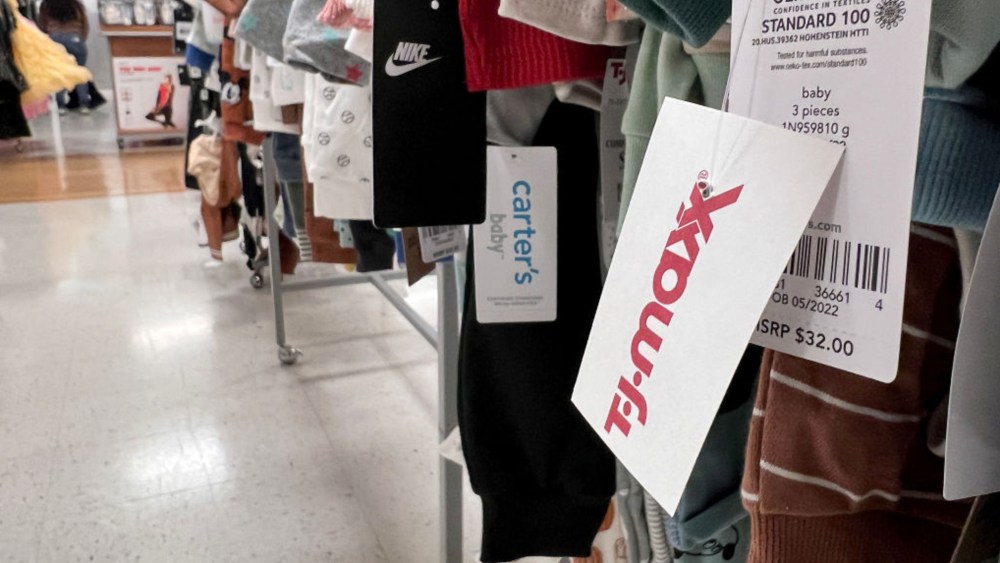
If there were a retail winner as such in North America, it would be the off-pricers, including TJX Cos. Inc., Ross Stores Inc. and Burlington Coat Factory Warehouse. Moody’s said EBIT for that part of the market would rise by 2 percent to 3 percent this year as they “all have flexible supply chains and get most of their products domestically, and attract consumers seeking lower prices.”
EBIT growth for European retailers is expected to slow to a low-single-digit increase from the 6 percent advance logged last year.
In a separate report, analysts at Morgan Stanley gauged which fashion companies were most at risk as the threat of a recession rises.
“Lululemon Athletica Inc., Levi Strauss & Co. and PVH Corp. are most insulated, whereas Macy’s Inc., Kohl’s Corp. and Bath & Body Works screen as most at risk,” Morgan Stanley said.
“In past recessions, U.S. apparel and footwear spending showed earlier, deeper and longer declines relative to broader consumer spending,” the report said.
The silver lining — maybe — is that while fashion stocks are among the first to fall as the economy slips, they are often among the first to recover as well.