
In the summer of 2023, skincare powerhouse Blu Atlas sold to Foundry Brands for an undisclosed eight-figure sum. Blu Atlas had been around for a little under two years, but in that time had become one of the fastest-growing men’s grooming brands. Their clean ingredients, fan-favorite scents and effective formulations have earned them a cult-like following.
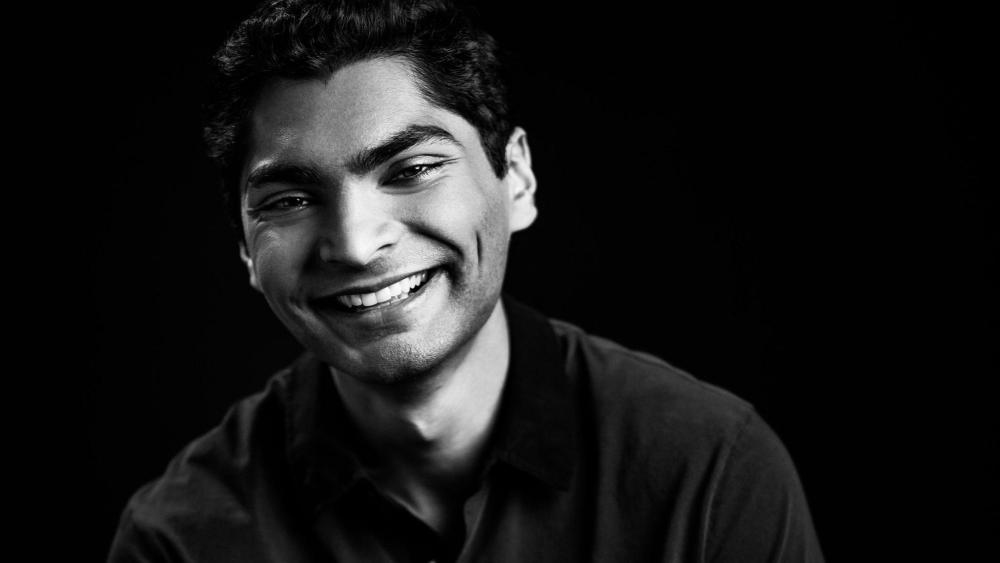
The founder of Blu Atlas is 25-year-old entrepreneur Deep Patel, who was just 23 when he built the brand and 24 when the sale went through. Patel is now a seasoned entrepreneur, having founded and sold multiple businesses, including the 2021 sale of popular CBD company Penguin. Patel also authored the book A Paperboy’s Fable: The 11 Principles of Success. With his latest business win behind him and an eye on the future, Patel has a lot to say about selling a brand for eight figures within two years.
Related Articles
WWD: First off, congratulations on selling Blu Atlas! That’s quite an achievement. As you were building this brand, when did you first realize you were onto something?
Deep Patel: Thank you. It’s certainly been one hell of a journey! I realized we were onto something exceptional quite early in the process. Less than 30 days after launching, we were pulling over six figures in sales. It was insane. I couldn’t quite grasp how fast the brand took off. It became clear that my hunch was right: The men’s grooming market was underserved and overlooked.
However, the rapid growth didn’t excite me as much as the consumer feedback. I got emails around the clock from people across the country who were thankful that these products were on the market. It felt good to know that our products were making a positive difference in people’s lives.
WWD: Can you tell us about any pivotal moments in the development of Blu Atlas?
Deep Patel: There’s one moment that really stands out. In the early days, I was hands-on with everything, including checking every order we received. One day, an order caught my eye – it was being shipped to the L’Oréal headquarters, specifically to the head of their men’s skincare division. That was a surreal moment, realizing my little startup, with just a handful of us running the show, was drawing attention from juggernauts in the industry.
This discovery led me to dig deeper into our orders, and to my surprise, I found that numerous execs from some of the biggest names in the business were personally ordering our products. This was both intimidating and validating. It reinforced my belief that we weren’t just creating another product line; we were building something robust, something with the potential to last. And all this traction happened within a few months of launching our first products. It was a clear indicator that we were on the path to creating something remarkable.
WWD: Very exciting! Let’s delve into what got you to that point. Can you tell us a little bit about your background? Before starting Blu Atlas, did you have any skincare experience?
Deep Patel: Ever since I can remember, I’ve been drawn to the business world. When I was in middle school, I created a handful of online companies. While most failed miserably, I found modest success selling coins on eBay, arbitraging the prices from different online markets, earning a small profit with every sale.
A few years later, while in high school, something pivotal got me on the right path. I discovered a group of like-minded entrepreneurial friends my age who were all busy crafting businesses of their own. This community taught me two things: First, I wasn’t alone in wanting to build a business and get a head start at life beyond the classroom. Second, I learned I needed to move quickly in order to catch up with my other founder friends. We’re competitive.
During high school, I became good at marketing to young consumers, and I advised brands on how best to connect with this audience. By the time I graduated, I felt confident enough to create my own consumer-facing business. I started an e-commerce CBD company, Penguin, that went on to sell for seven figures. While building it, I learned so much. Literally everything that could go wrong did go wrong. And those lessons taught me how to run Blu Atlas better, so I wouldn’t make the same mistakes twice.
I’m convinced that starting out in skincare without prior experience was actually a blessing in disguise. There’s a beauty that exists in being completely oblivious to traditional norms, which meant I could go about solving problems in novel, unorthodox ways. I dove headfirst into the space, not knowing the first thing about how to build a men’s grooming company. I still pinch myself in disbelief because of how well it worked out.
WWD: As you started growing Blu Atlas, what were the biggest challenges or obstacles you encountered along the way?
Deep Patel: Some days were soul-crushing, other days were incredible. I faced a million challenges, but most of them centered around product and supply chain.
I wanted to create something brand new, something the industry had never witnessed: men’s natural skincare that was powered by earth-derived materials, yet performed like supercharged chemical concoctions. This led to a highly complex and nuanced product-development process. I had to support the team in finding key ingredients that were natural, effective and powerful. Every day, for months, I sent boatloads of messages to our formulators on new ingredients to try. I got obsessive about quality and probably deserve an honorary PhD in cosmetic formulations because of the number of ingredient studies I sifted through.
It became clear that the market is filled with cheap products comprised of poor-quality raw materials and formulations. I put our products through every rigorous test out there, which included enlisting my friends as guinea pigs to give me real feedback. If a product wasn’t universally loved, I scrapped it. It was a long process, but it was non-negotiable for me. The meticulous design and exceptional quality of our products was what set us apart in a saturated market, and I refused to compromise.
As hard as product development was, sorting out our manufacturing and supply chain was harder, and still gives me PTSD. Every week, new problems arose, from late raw-material shipments to quality inconsistencies to manufacturing bottlenecks. Each hiccup had a cascading effect on the product timelines. As the company matured, I overcame these hurdles through a combination of rigorous planning and building bulletproof relationships with our suppliers and partners. I promised my partners a loyal stream of business if they assured me that they would meet timelines and quality standards. We held each other accountable.
Finally, maintaining the values that led to starting this company was, at times, a challenge. The skincare industry is full of companies that try to scale too fast and ultimately lose sight of the brand values or product quality that got them there in the first place. As enticing as it was to speed up the delivery of new products by accepting a slightly worse-performing formula, I refused. For Blu Atlas, it was crucial that every decision – whether it was product development or customer feedback – aligned with our core principles. It is so easy for a team to get sidetracked by exciting new opportunities or shortcuts to quick profits. Our values were the north star guiding every decision.
WWD: Once you got past those obstacles and saw that Blu Atlas was living up to its potential, how did you arrive at the decision to sell?
Deep Patel: Deciding to sell Blu Atlas was one of the toughest choices I’ve ever made. To provide some context, just 18 months into Blu Atlas’ launch, we had started attracting the attention of outside companies interested in partnering with us or even buying us out. I believed Blu Atlas had untapped potential; we were only selling online, and given the fast-paced growth of the brand in this channel alone, I began to wonder how we would perform breaking into retail. It takes deep pockets to get into retail, and to do it right requires a balance of developed relationships and solid domain expertise.
I was faced with two choices: either raise capital and take a gamble on a sector I was completely unfamiliar with, risking the company’s future in the process, or team up with a partner to elevate the brand.
I met the Foundry guys early in 2023, and there was instant chemistry. While they were eager to take over the brand, unlike the other groups, they didn’t just bring financial resources to the table; Foundry also had the expertise and industry connections we lacked. Aligning with them seemed like the ideal way to see Blu Atlas move toward my vision. Foundry had a proven track record in growing brands like ours, and they had the necessary infrastructure to help us tap into larger markets. Their involvement could accelerate our growth in ways I could not achieve on my own.
To be frank, it was bittersweet to part ways with a company I had built from scratch. But ultimately, I wanted to create something that materially improved people’s lives on a macro level. I’m convinced that, with Foundry’s backing, Blu Atlas will be a leading player in the market.
WWD: What a ride you and Blu Atlas have been on! What do you think you would have done if the brand had failed?
Deep Patel: I had a lot riding on Blu Atlas. I took the money I made from the Penguin acquisition and invested nearly every dollar into the brand. There were days when I felt I had won the lottery and days when I felt I could lose it all.
I’m a purebred entrepreneur. Put me in a tough spot, and I’ll find my way out. Give me a lemon, and I’ll make a lemonade stand. If Blu Atlas had not succeeded, that would have been a tough pill to swallow. But I’d have woken up the next day, taken a deep breath and been grateful to live in a place that affords me endless opportunities to pursue success. My spirit isn’t defined by success or failure; it’s about the relentless pursuit of creating and growing, no matter the outcome.
WWD: Speaking of your entrepreneurial nature, what’s next for you?
Deep Patel: My next business is exciting, and ventures into completely uncharted territory. I’m creating a cashmere apparel brand called deep. My goal is to create luxurious, sustainable cashmere pieces that not only feel good but also do good for the planet. The fashion industry, notorious for its wasteful trends, often creates garments meant to last a season or so. deep is out to change things. I’m focused on creating timeless pieces designed to be passed down for generations. Each item will be crafted from sustainably sourced materials.
As for Blu Atlas, it has been rewarding to watch from the sidelines as Foundry makes strategic advancements. I have complete confidence that Blu Atlas is in good hands, and its future is as bright as I had imagined it would be at the outset.
WWD: Thanks for your time, Deep. We can’t wait to see what’s in store for you and your next venture!