
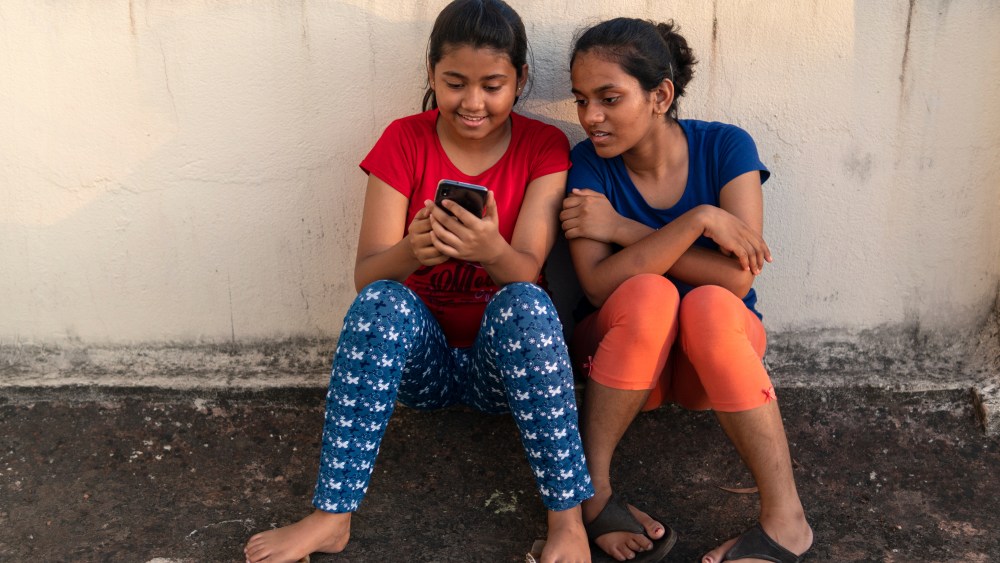
The latest research from Mintel looked at Gen Z consumers in India and while the findings showed some similarities in behavior to others of their generation in the U.S., Asia and Europe, Indian Gen Zs showed distinct differences.
For example, Gen Z in India is similar to others across the world as many are digital natives who often prefer social interactions online and on devices versus offline and in-person.
And while Gen Z across the globe is concerned about inflation and pricey goods, many continue to spend and save less. With Gen Z in India, Mintel found the generational cohort to be much more thrifty. The firm noted that 91 percent of respondents to their survey emphasized the importance “of savings to reach their goals.”
Related Articles
“The research indicates that this young generation dreams of owning homes and cars and traveling abroad at a young age,” the report’s authors also noted. “What’s more, they know that they can only achieve through financial savviness.”
You May Also Like
In a report from Pennsylvania State University published this week, researchers noted that Gen Zers not only don’t want to own a car, but they also don’t even want to drive. The authors of the report cited several reasons, which included cost, safety and stress. With homeownership, research from Bankrate from earlier this year found that while Gen Z (and Millennials) want to own a house, they just can’t afford one.
In India, Mintel found that 77 percent of Gen Z consumers aspire to become homeowners and 59 percent “dream of buying a car early in life” and 55 percent want to travel abroad. The research also found that 38 percent of respondents save their pocket money while 35 percent rely on their parents for expenditures.
Saptarshi Banerjee, senior lifestyle research analyst at Mintel Reports India, said, “As Gen Z grapples with an uncertain future, they are resolute in their quest for financial self-reliance, demonstrating a keen interest in products that offer significant value for their investment.”
Banerjee said Gen Z, “many of whom are navigating transitional life stages and without a steady income yet, presents an opportunity for brands. The key to winning them over lies in providing cost-effective, innovative products, enhancing consumer engagement with fun deals (e.g., gamification) and crafting unique experiences.”
Like other Gen Z consumers, Mintel said in India, Gen Z seek value. “With Gen Z consumers understanding the necessity of saving for financial independence, 88 percent also believe it is necessary to get the best deal on every purchase,” the report’s authors said.
Regarding sustainable living, Mintel said Gen Z in India faces some hurdles. They are also wary of greenwashing by brands. “Despite caring about social and ethical issues, Gen Z consumers find it challenging to incorporate sustainable habits,” the report stated. “More than eight in 10 Indian Gen Zs are concerned about these issues, with 81 percent supporting local brands. However, only 27 percent have reduced their utility waste in the last six months, compared to 32 percent of younger Millennials (aged 27 to 33 in 2023). Furthermore, 55 percent of Gen Zs believe the majority of sustainable claims are false.”
Banerjee said brands can empower these young customers “in their efforts toward equality and localism, encouraging them to adopt eco-friendly habits, while also educating them on sustainable initiatives. Brands can meet these expectations by using local ingredients and flavors, promoting original content, highlighting socially minded initiatives and providing credible evidence of sustainability to avoid green-washing allegations.”