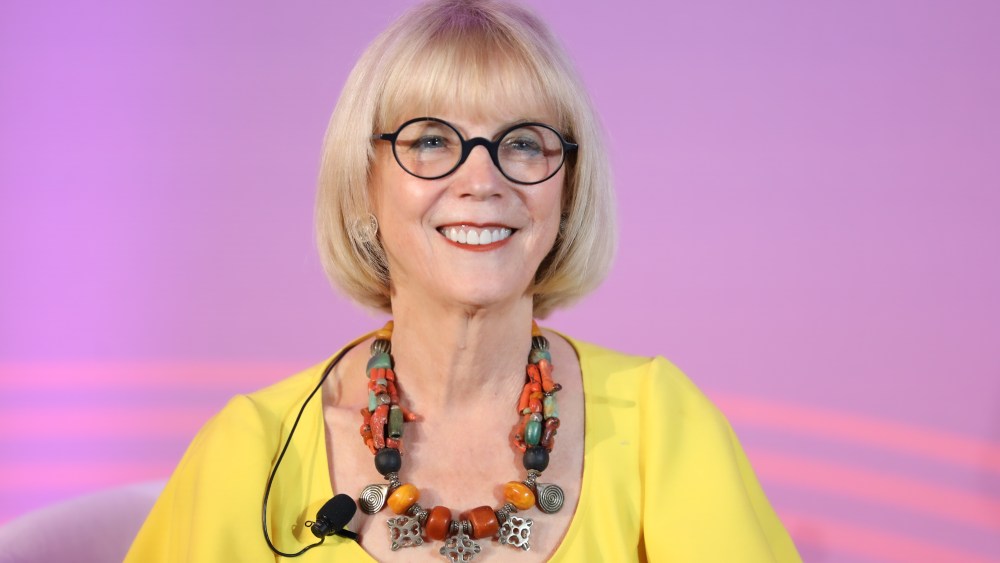
Carol Hamilton let out a yelp of surprise when she learned she would oversee the opening of L’Oréal USA’s first major West Coast office not far from the Pacific Ocean in Southern California.
It was October 2020, and the COVID-19 pandemic had been raging for six months. At the New York City restaurant where she was lunching with her boss, the crowd was sparse with only five tables occupied. Her new assignment seemed daunting but intriguing. Lead the creation of a 120,000-square-foot space in a dilapidated warehouse in El Segundo, a little seaside town just south of Los Angeles International Airport, that would include a 25-acre campus.
Related Articles

The challenge was to design a new office space attractive enough to coax employees out of their homes and back into the mainstream workplace. The new headquarters were also expected to house four indie brands that L’Oréal had acquired: NYX Professional Makeup, Urban Decay, Pulp Riot and Youth to the People.
It took Hamilton six months before she was able to physically visit the site, which was nearly two years in the making. “I stood inside this empty, vast building and wondered if anyone would come,” said Hamilton, the group president, acquisitions and business development for L’Oréal USA, talking about making the cosmetic company’s California dream a reality.
Seven design iterations and seven delays later, the result was an unconventional West Coast office that opened on June 22, 2022, with a distinctive Southern California vibe. There was a gym with private showers, color schemes in line with California’s sunsets and sunrises, a living room vibe with couches and rugs, and lots of open space. “This was a very, very big week for me in my life because I also had just turned 70,” Hamilton shared. “I felt this assignment kicked ageism in the butt.”
Hamilton also kept what she called her day job as head of acquisitions and development. L’Oréal, which encompasses 35 brands globally, has a long history of strategic acquisitions that help it conquer new ground. “We really understand and appreciate that other companies come up with ideas we couldn’t possible have come up with and that we really want to invest in,” she said.
Just recently, L’Oréal announced a $2.5 billion deal to acquire Aesop, the Australian luxury personal care brand, which was founded in 1987.
Hamilton, who commutes between Los Angeles and New York for her bi-coastal job, continues to scout the beauty field for new brands that show promise. “These companies see beauty through a different lens,” she noted. “We love meeting with founders from the very beginning and then, of course, cultivating and mentoring them. That’s how many of our acquisitions have been done.”
These potential acquisitions need to have some sales under their belt and be profitable before interesting L’Oréal. “Profitability is key,” Hamilton said. “What I have seen in the last five years is that indie brands are focusing on becoming profitable faster.”
She also believes it is important for a young brand to have its own DNA. “I always ask myself, ‘Does this brand have soul?’” she noted. “It is something beautifully crafted but not from a manufacturer’s side. It is the surprise factor of how the elements and the layers of a brand have been put together.”
But when it comes down to deciding whether or not to acquire a new company, Hamilton, one of the most experienced executives in the business, said she’s learned to trust one voice in particular: her gut feeling.