Updated on Dec. 22 at 4:15 p.m. ET
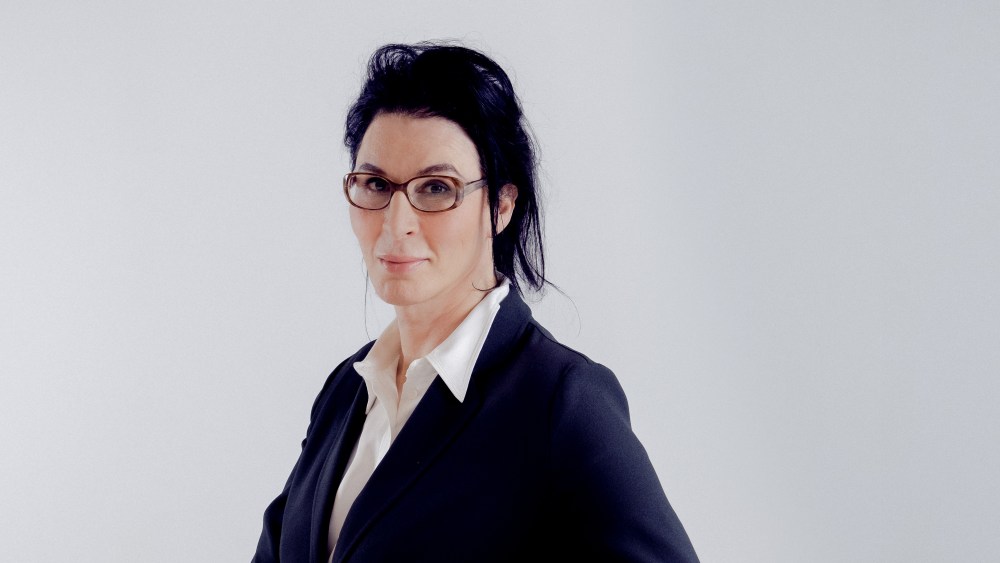
Sue Nabi is exiting Coty as chief executive officer and will be succeeded on an interim basis by Markus Strobel, who has also been named executive chairman of the board.
Shares of the company closed down 3.5 percent to $3.15 on Monday.
Strobel joins Coty after a 33-year career at Procter & Gamble, where he most recently served as president of P&G’s global skin and personal care business. During his tenure, he held senior roles across beauty and grooming spanning fine fragrance, hair care and grooming, including leading prestige brands like Gucci, Dolce & Gabbana, Valentino and Hugo Boss as part of his fragrance assignment.
Related Articles

“I am delighted to join Coty at this important juncture,” Strobel said. “Building on Coty’s strong foundations, I see tremendous potential to accelerate growth, strengthen our position in prestige and mass beauty, and deliver sustainable value for shareholders, partners and consumers worldwide.”
Strobel succeeds Peter Harf as executive chairman. Harf will retire from Coty’s board after more than three decades of service, while Nabi is stepping down as CEO following a five-year tenure.
According to an SEC filing, Strobel will receive an annual base salary of $1.25 million, which will be reduced to $1 million at such time that he is no longer serving as interim CEO. He’ll also be eligible for a one-time cash sign-on bonus of $940,000, in addition to an equity grant under the company’s equity and long-term incentive plan.
Nabi was beauty’s highest-paid beauty executive in the U.S. in 2023, the latest figures released, with a total compensation of $149.4 million. She spent 20 years working at L’Oréal prior to launching Orveda.
In connection with her departure, Nabi is entitled to receive a lump sum cash payment of approximately $1.74 million, representing six months of base salary. The separation agreement further provides for the vesting of approximately 2,083,333 restricted stock units. All other outstanding and unvested equity awards held by Nabi as of the separation date will be forfeited. In exchange for these separation benefits, Nabi “provided a general release of claims against the company and reaffirmed certain existing restrictive covenants, including confidentiality and non-solicitation obligations,” according to the SEC filing.
The executive changes come at a trying time for Coty, which is set to lose its jewel-in-the-crown Gucci license for fragrance and beauty when it expires in 2028. (According to Evercore IRI, that brand accounts for about 8 percent of Coty’s sales and approximately 11 percent of its profits.
News of the license changing hands was announced in October as part of the deal between L’Oréal and Kering, owner of Gucci.
Concurrently, Coty is carrying out a strategic review of its mass color cosmetics business, as well as of its operations in Brazil, as announced in September. That will focus on Coty’s $1.2 billion revenue mass color cosmetics business, including brands such as CoverGirl, Rimmel, Sally Hansen and Max Factor, and its $400 million revenue Brazil business, composed of local Brazilian brands. The review, being carried out by Citi, will assess a full range of alternatives, including partnerships, divestitures and spin-offs.
On Dec. 19, Coty sold its remaining 25.8 percent stake in hair care giant Wella to KKR.
Under terms of the deal, Coty is to receive an upfront cash consideration of $750 million and 45 percent of any proceeds from a further sale of or an initial public offering once KKR’s preferred return has been met. The upfront cash proceeds from the transaction, net of tax, will be used to pay down Coty’s short- and long-term debt.
Of the new hire, Raymond James analyst Olivia Tong said: “In our view, Mr. Strobel’s background is well suited to lead a turnaround, and we expect Coty to prioritize sharper portfolio focus, innovation and marketing.…With Coty likely becoming increasingly skewed toward prestige fragrance, we continue to see category and license concentration as a risk, including the overhang from the Gucci license loss, putting added pressure on the next CEO to manage innovation, brand health and diversification within a narrower set of categories.”