While Shiseido’s sales were relatively stable in 2024, boosted by an uptick on the domestic market, its operating profit tanked, falling 73.1% with the continuing deceleration in China and duty-free weighing heavily on its results.
In late November, Shiseido announced a new action plan for 2025 and 2026, on top of its ongoing medium-term strategy, to rebuild a profitable foundation for its business and enhance operational governance. It plans to focus its efforts on key brands and develop a cohesive operating model across brands and regions to boost brand equity, and established a new Global Brand Strategy Department and a Brand Committee to pilot this. The brands concerned are Shiseido, Clé de Peau Beauté and Nars, described as the “Core 3,” and Anessa, Narciso Rodriguez, Issey Miyake, Elixir and Drunk Elephant, grouped together as “Next 5.”
Related Articles

It also plans to enhance profitability across markets, rebuild a sustainable business foundation in China and travel retail, and reduce costs across the organization, and is assessing exit and downsizing options for certain operations based on growth and profitability. It also announced a voluntary retirement incentive program open to its Japanese employees last February as part of the transformation of its domestic operations.
In the meantime, Shiseido continued to acquire new business to bolster its portfolio in growth areas. It integrated DDG Skincare Holdings, the owner of Dr. Dennis Gross Skincare, to strengthen its core prestige skin care business, an acquisition that was announced in December 2023. It also inked a licensing agreement with Max Mara for fragrance as it seeks to strengthen its portfolio in the category, where Shiseido has been doing well.
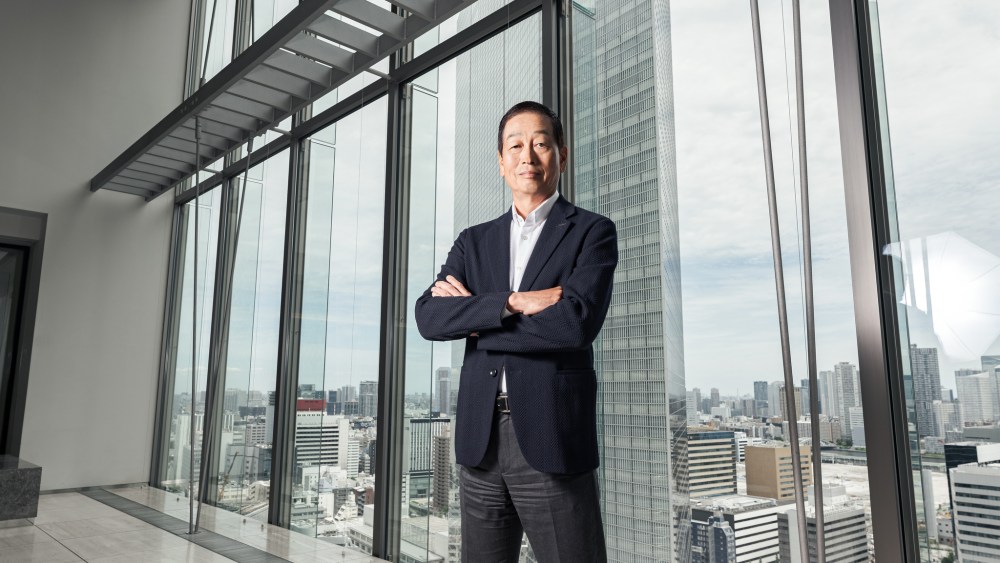
Chairman and CEO Masahiko Uotani retired at the end of December, handing the reins to his handpicked successor Kentaro Fujiwara, who had been named company president and chief operating officer in 2022. In Uotani’s decade at the firm — the former Coca-Cola Japan CEO was the first outsider in Shiseido’s history to take on the role — his mission was to transform Japan’s largest beauty company from a Japanese firm selling products worldwide into a global enterprise headquartered in Tokyo by reflecting the dynamism and diversity of the markets where it does business. Since the pandemic, he has sold off non-essential assets and centered in on “skin beauty” to turn the company around.
In March 2024, Alberto Noe became the company’s CEO for EMEA.
For 2024, on the domestic market, Shiseido said it saw “robust” growth for its flagship brands Shiseido, Clé de Peau Beauté and Elixir, driven by innovation and strategic marketing. Sales to inbound tourists gained in the high teens as record numbers of foreign travelers flocked to Japan, Shiseido said, although gains here were more moderate than anticipated due to shifting consumption patterns among tourists. Key initiatives included the introduction of Foundation Serum, under the Shiseido brand, helping recruit new and younger consumers.
Core brands including Narciso Rodriguez and Issey Miyake fragrances as well as Shiseido and Nars also drove growth in the EMEA region, across categories.
Growth in Southeast Asia was led by Thailand and the Anessa and Clé de Peau Beauté brands. Shiseido’s Foundation Serum did well in South Korea.
In China and travel retail, sales declines were in line with company expectations. The company said it is seeing a steady sales recovery in China nevertheless and that it is expanding its market share there. Clé de Peau Beauté and Nars both did well on the Chinese market. Travel retail sales were strong in Japan and steady in the Americas and EMEA.
Sales in the Americas fell on a like-for-like basis, weighed down by Drunk Elephant, which has seen a significant slowdown in demand and has been marred by consumer criticism online. In reported terms, however, the acquisition of Dr. Dennis Gross contributed to a sales gain for the region, as did Nars and fragrances.
By brand, Shiseido’s sales were down 3% for the year. Clé de Peau Beauté grew 3% and Nars, which celebrated its 30th anniversary, was flat. Drunk Elephant’s revenues overall were down a massive 25% year-over-year. Elixir gained 8%. The company’s fragrance brands did well, with sales up 9% for Issey Miyake and 8% for Narciso Rodriguez.