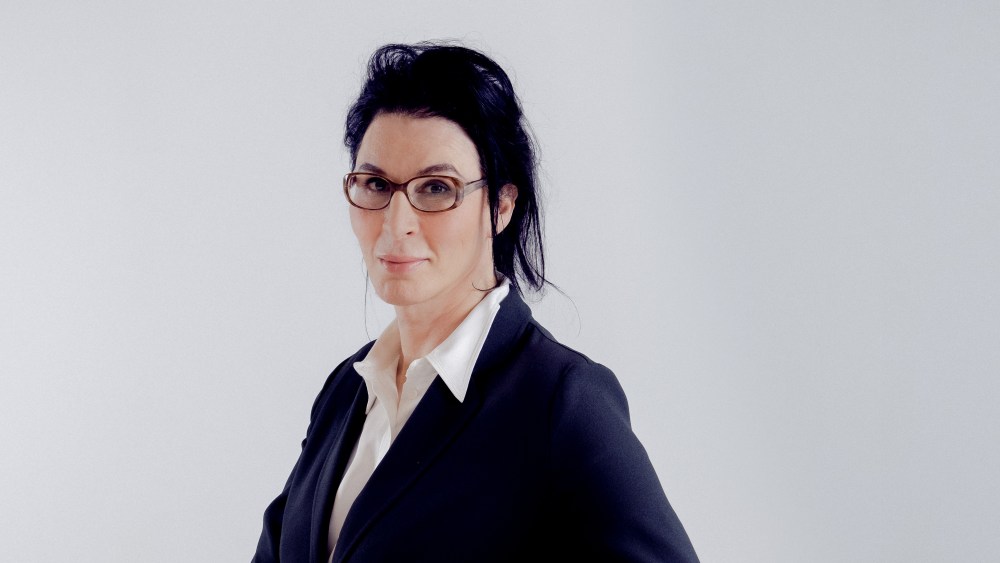
Speculation continues to mount that Sue Nabi will exit Coty Inc. after more than five years in the job, according to multiple sources.
A Coty spokeswoman declined to comment.
This comes at a trying time for Coty, which is set to lose its jewel-in-the-crown Gucci license for fragrance and beauty, when that expires in 2028. (According to Evercore IRI, that brand accounts for about 8 percent of Coty’s sales and approximately 11 percent of its profits.)
Related Articles

News of the license changing hands was announced in October, as part of the deal between L’Oréal and Kering, owner of Gucci.
Concurrently, Coty is carrying out a strategic review of its mass color cosmetics business, as well as its operations in Brazil, as announced in September. That will focus on Coty’s $1.2 billion revenue mass color cosmetics business, including brands such as CoverGirl, Rimmel, Sally Hansen and Max Factor, and its $400 million revenue Brazil business, composed of local Brazilian brands. The review, being carried out by Citi, will assess a full range of alternatives including partnerships, divestitures and spin-offs.
As part of this, Gordon von Bretten, Coty board member and former chief transformation officer, has been tapped to lead consumer beauty as president, reporting to Nabi. He is also leading the strategic review and has joined Coty’s executive committee.
Sources speculated that Nabi could be succeeded by von Bretten, at least in the short term.
Meanwhile, speculation continues to swirl about the remainder of Coty’s Luxury business, which includes fragrance licenses for Burberry, Jil Sander and Hugo Boss.
On June 16, WWD published an article saying Coty was in early stages of discussions to sell off its businesses in parts, citing industry sources, who also speculated on the longevity of Nabi as group CEO. A Coty spokeswoman had no comment on the speculation at the time.
In November, a Coty spokesman said: “Coty has categorically denied that is exploring the sale of its prestige division. The only business currently under strategic review is the consumer beauty division.”
Burberry Goddess, released in 2023, remains Coty’s biggest launch ever, while Hugo Boss became the number-two men’s fragrance franchise in Europe in the second half of last year.
Coty’s stock, jointly listed in New York and Paris, has taken a beating. Year-to-date, Coty shares are down 54 percent, versus its peers L’Oréal, up 9.5 percent, and the Estée Lauder Cos., up 39 percent, for instance.
Coty’s market cap currently stands at $2.82 billion.
Nabi, who founded the prestige vegan skin care brand Orveda in 2017, joined Coty as CEO in 2020. She succeeded Peter Harf, who moved into the role of executive chairman. But this April, JAB, Coty’s largest investor, announced Harf would retire after 40 years at the company. He continues serving as chairman of Coty’s board, while managing partners Joachim Creus and Frank Engelen keep leading JAB as co-CEOs.
Coty entered into a licensing agreement with Orveda in late 2021. As part of that deal, Orveda’s other cofounder, beside Nabi, and sole owner Nicolas Vu continues to lead the brand as its CEO.
Nabi was beauty’s highest-paid beauty executive in the U.S. in 2023, the latest figures released, with a total compensation of $149.4 million. She spent 20 years working at L’Oréal prior to launching Orveda.
Also in 2023, Nabi’s contract at Coty was extended through 2030.