Dupe culture is riding high in beauty, and so is the industry’s divide over its implications.
While some beauty players see dupes as a means to democratize innovation, others see the category, simply put, as a form of plagiarism. But how do consumers — or, as Circana’s president of beauty and industry adviser Larissa Jensen described the cohort, “our leaders” — feel?
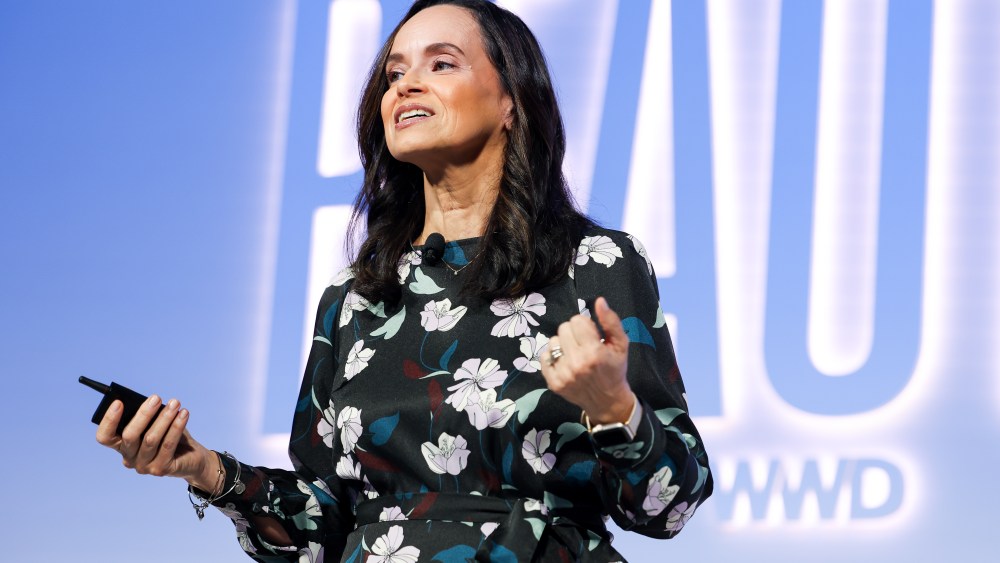
At the 2025 WWD Beauty CEO Summit, Jensen shared findings of a proprietary Circana x WWD Beauty Inc survey offering a closer look into the dupe-buying behaviors of beauty shoppers of different backgrounds.
Related Articles

While cooped-up consumers tended toward luxury in the immediate wake of the COVID-19 pandemic, Jensen said, “in the last few years, some of those fat [post-lockdown] bank accounts have diminished, and so there has been a shift toward accessible luxury; products that are still an investment, but are accessible to the masses.”
And dupes — which are less-expensive alternatives to luxury or premium products — have been a big beneficiary of this shift.
According to the survey, 43 percent of female beauty shoppers have purchased a beauty dupe, while 34 percent haven’t purchased one, but would consider it, meaning a combined 77 percent of shoppers are open to the category. Hispanic consumers and young consumers over-index on beauty-dupe purchases, which matters because the groups also represent “some of the most-engaged beauty consumers that we have in our industry,” Jensen said.
Consumers also don’t necessarily correlate price with quality, meaning many are likely to buy a dupe even if they can afford the original product. “Thirty-two percent of consumers believe that price is more important than innovation — almost double the percent that believes the opposite — so while innovation is important and we must continue to do so, we also need to recognize that consumer sentiment leans more toward price sensitivity.”
Consumers report social media platforms as a key channel in influencing dupe purchases, perhaps unsurprisingly led by TikTok, followed by Instagram and Facebook, respectively. In terms of retailers, 27 percent of consumers look to Walmart to buy dupes, followed by Amazon at 21 percent and Target at 11 percent.
Skin care and makeup are the top categories for dupe purchases, with 27 percent of consumers reporting they’ve bought into both. “Younger consumers are more likely to buy makeup dupes, while older consumers are more likely to buy skin care and hair dupes,” said Jensen, adding that Gen Z is the generation most inclined toward fragrance dupes.
Because 82 percent of consumers believe dupes have a similar style and quality as the original product and more than half of consumers believe dupes build awareness of the original product, Jensen posited that, “maybe we haven’t considered that the success of the dupe and that of the original are intertwined.
“We see it time and time again where premium and luxury products continue their growth trajectories even as new and lower-priced alternatives enter the market and enjoy their own success. Part of the reason why they can co-exist is because the consumer is different, where they’re shopping is different,” said Jensen. “There is room for all areas of the market to grow.”