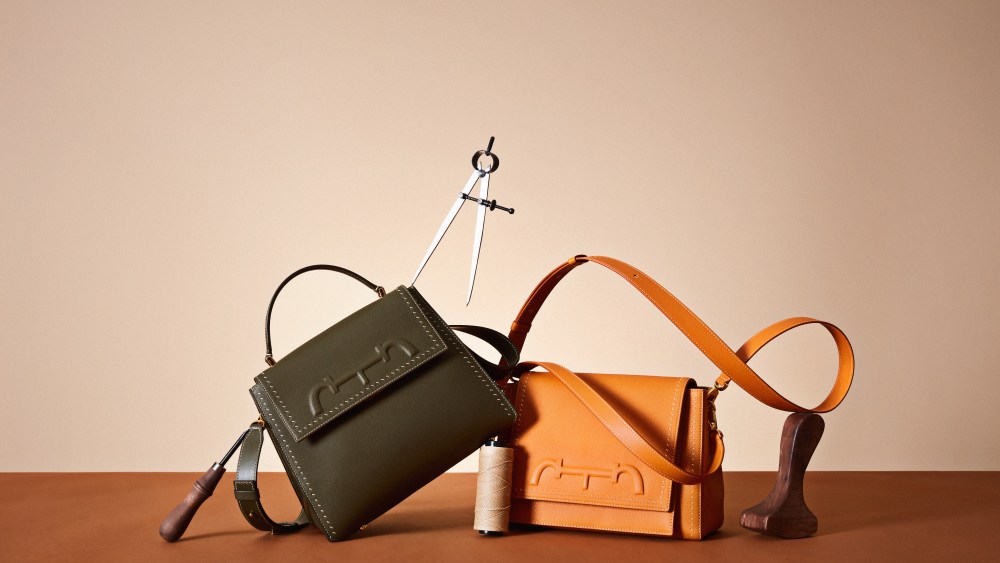
CH Carolina Herrera is expanding its reach across Europe and Latin America. The brand — founded in 1999 as a spinoff of the Carolina Herrera New York brand — is betting that high-quality handbags, a strategic digital rollout and competitive positioning will help the Puig-owned label grow its base in key markets.
Currently with 129 stand-alone boutiques and 220 shops-in-shop that span 43 countries, CH Carolina Herrera is a brand whose edicts of “fearless, fabulous and always impeccable taste resonate with people. You buy into a piece of the Herrera world and what that represents for you,” said Ana Trias Arraut, Puig’s chief brand officer for labels including CH Carolina Herrera, Dries Van Noten and Nina Ricci.
Related Articles
While fragrances represent the majority of the fashion house’s overall sales, in fashion Herrera considers handbags CH’s most important product offering and currently attributes 50 percent of global fashion sales to accessories, 25 percent to women’s ready-to-wear, 15 percent toward men’s wear and another 10 percent for shoes. Key handbag lines include the Matryoshka range of oversize work totes and the Initials Insignia line of structured bags with a metal logo buckle motif.
You May Also Like
“We are very strong market leaders in Spain and Latin America but are getting much stronger now in the U.S. and growing very quickly in the Middle East — that’s where we see huge potential to grow,” said Arraut.
She added that the label resonates strongest in Latin America and other Spanish-speaking nations, due to Herrera’s Venezuelan roots. “The brand is a New York brand but of course because of Mrs. Herrera’s origins, we always resonate very well with Latin consumers. But I would say the same values resonate internationally, too — this happiness and elegance.”
Now with a concerted focus on growing the brand’s e-commerce footprint, Arraut feels that the label has boundless opportunity to grow sales. “We went through a geographic expansion with a presence in every important city in Europe and in the U.S. That has been giving us important growth, but today we are expanding the digital footprint of the brand, the presence of e-commerce in countries like Colombia, the U.S., Mexico and Chile in a big way to get the brand closer to more consumers,” she said.

On the product front, Arraut said that handbags “are our biggest focus. They are the biggest category for us and are at the heart of our international growth, too. We are known for our leathers and craftsmanship.” All of CH’s handbags are made of Italian and Spanish leather and are manufactured in Spain.
The brand’s average bag costs around $1,300 — a price Arraut considers competitive for its quality, design and elements of timelessness. “We always start with how the concept of a bag needs to be timeless and used over and over. We really put a lot of effort into having a very good quality and a high level of craftsmanship. We dedicate a huge amount of time to the leather of the bags — at the end of the day you are buying a bag that was made with a lot of effort, that’s timeless and a precious product,” she said.
When Carolina Herrera set out on a partial retirement and hired Wes Gordon in 2018 as her brand’s creative director, it marked the start of a new symbiosis between the main Carolina Herrera label and CH Carolina Herrera. Each season, some key CH Carolina Herrera handbag styles are reinterpreted in special color ways or fabrications for the Carolina Herrera runway collection and are then sold in the Carolina Herrera’s flagships in New York Madison Avenue and Dallas, in addition to select CH Carolina Herrera stores.
Going forward, it is expected that Gordon will play an even bigger role in the artistic direction of CH Carolina Herrera accessories. “Wes sets clear inspirations and we work together on new versions of the bags. We will probably have some new ones coming up and we will start to also incorporate Wes’ input on design and lifestyle direction,” said Arraut.
All in all, these plans are setting CH Carolina Herrera for a pre-pandemic level comeback aimed at 2022. “From 2015 to 2019 — the year before COVID-19 — we had a growth rate of 30 percent. Then COVID-19 arrived and, of course, having such an important retail presence made things change very quickly. We were projecting 2019 numbers to return by 2023 but now we think they will arrive sooner,” she said.