
WASHINGTON — The Senate passed a trade facilitation and enforcement measure on Thursday designed to strengthen U.S. trade laws and intellectual property protections, and streamline the flow of global commerce.
The Senate passed the legislation, the product of a bipartisan, bicameral conference committee, on a vote of 75 to 20 and sent the legislation to President Obama for his signature. The fashion industry supported the measure and hailed its passage.
The House passed a conference report in December, but the legislation stalled in the Senate after senators backing an Internet sales tax bill held it up by trying to attach their bill to the broader trade legislation.
Related Articles
Senate Majority Leader Mitch McConnell (R., Ky.) broke the impasse this week and agreed to move the Internet sales tax bill, dubbed the “Marketplace Fairness Act,” separately later this year. The trade legislation also includes a measure that permanently bans Internet access taxes.
You May Also Like
“Today the Senate is poised to take a major step forward in advancing a robust agenda for international trade that better reflects the realities of the 21st-century global economy and provides real benefits for our country,” Sen. Orrin Hatch (R., Utah), said on the floor before the vote. “The bill makes a number of changes to reduce bureaucracy and improve consultations among executive agencies, Congress and the private sector. These changes will facilitate trade and improve our competitiveness by reducing unnecessary burdens and delays created by an overly bureaucratic system, which will in turn help create jobs and grow our economy.”
Hatch added that the bill also includes “dramatic improvements to better protect” U.S. intellectual property rights and improves enforcement of U.S. trade laws.
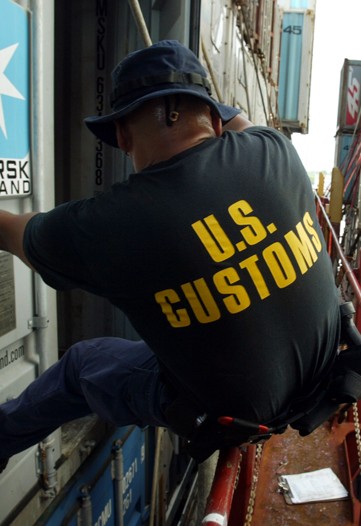
The sweeping trade bill reauthorizes Customs and Border Protection and establishes new tools for the agency to go after companies that try to evade U.S. antidumping and countervailing duties; creates an enforcement fund to provide resources to enforce trade agreements; requires Customs to provide trademark and copyright holders with samples to identify counterfeits; creates the Interagency Center on Trade Implementation, Monitoring and Enforcement, and creates an “early warning system to identify trade surges from unfair trade.”
“This bill is about coming down hard on the trade cheats who are ripping off American jobs,” said Sen. Ron Wyden (D., Ore.).
Wyden also noted that the bill closes the loophole that allowed products made with slave and child labor to be imported into the U.S.
The legislation contains some critical components for the fashion industry.
“As major importers, retailers rely on efficient supply chain operations. This includes ensuring legitimate cargo is able to be quickly processed through our nation’s borders,” said David French, senior vice president for government relations at the National Retail Federation. “Modernizing CBP operations is essential in the ever-increasing global economy. The elements within [the legislation] will provide CBP with the tools needed to ensure companies can continue to compete in the global economy.”
In addition, it includes a provision that would raise the floor for duty assessment on small value shipments to $800 from $200 and provide new trade preferences for Nepal, including duty-free benefits for scarves, hats, some footwear and travel goods. It also fixes a technical error on a new classification for recreational performance outerwear that industry groups hope will eventually lead to lower tariffs on those imported products.
French also praised McConnell’s plan to hold a separate vote on the e-fairness legislation later this year.
“Retailers across America urge Congress to finish the job on e-fairness before more Main Street businesses are forced to close their doors due to unfair tax preferences,” French said.
Jennifer Safavian, executive vice president of government affairs at the Retail Industry Leaders Association, said, “Leader McConnell’s commitment to work with Senate advocates of e-fairness legislation and schedule a vote this year is a welcome sign for advocates of a level playing field. Retailers want a true free market and a tax code that treats all businesses equally. Given the exponential growth of online and mobile retail, it makes no sense to continue subsidizing online-only sellers with special tax treatment.”
Safavian called on House Speaker Paul Ryan (R., Wis.) to make a commitment to bring the legislation to a vote by the end of the year.