pinsymain


“Shapewear is marketed as a solution,” Pinlac told Sourcing Journal, “and a solution means that you have a problem. You’re telling me that my body is a problem, and it’s pretty upsetting that brands have felt they could put out that message.”
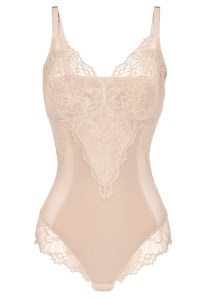
“When I wore traditional shapewear, it always felt like I had to like nudge it around to make sure that I didn’t show that it was digging in, or that I was wearing something,” Pinlac said. “It always made me feel bad, having to hide. You just don’t feel like yourself.”
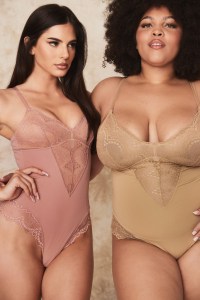
Luxe, lace-paneled bodysuits are the brand’s bread and butter, and the eye-catching styles can be styled with jeans, skirts, and athleisure—or worn alone as lingerie.

The brand’s first collection dropped in November 2019, just months before the pandemic saw the global supply chain grind to a halt.
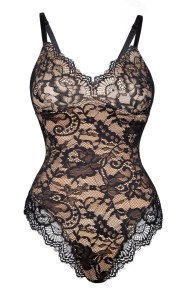
Stockouts have been constant, but Pinsy allows consumers to pre-order products or join a waitlist, capturing revenue and retaining interest even in the absence of physical product.
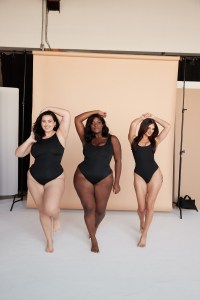
What captivates consumers isn’t just the product’s design, but its styling, Pinlac said.
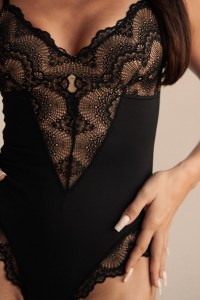
Size inclusivity was a brand tenet from the very start, and Pinsy has developed a roster of diverse influencer collaborators to showcase the shapewear silhouettes.

“I think [Pinsy] is a very unapologetic way to be like, ‘No, this is this is me. I don’t want to hide what I have, I want to like enhance what I have.’”