Thermowarm + Graphene Zip-Up Jacket

The discovery of graphene—a thin, strong, lightweight and ultra-heat-conducive material being used across industries—earned researchers the Nobel Prize in Physics in 2010.
The discovery of graphene—a thin, strong, lightweight and ultra-heat-conducive material being used across industries—earned researchers the Nobel Prize in Physics in 2010.
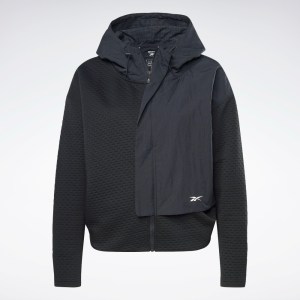
This week, Reebok announced the debut of a line of active outerwear designed for use in sport.

The material, an allotrope of carbon characterized by a single layer of atoms arranged in a honeycomb-like lattice nanostructure, has been engineered to be printed in a grid pattern onto the innermost layer of the garments.
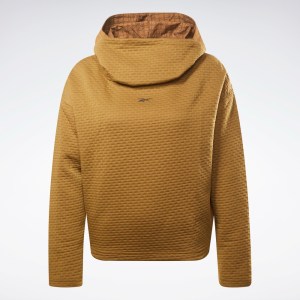
The zones of the garment that are printed retain between 8 percent and 15 percent more heat, depending on the base fabric, according to the company’s product testing.
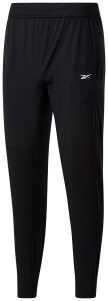
The technology has been integrated into more than a dozen familiar activewear styles, from running leggings to jackets and hoodies, occupying strategically placed zones on each garment where heat retention is needed most.
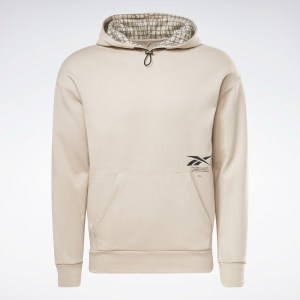
The gridded print can be found within hoods, shoulder panels and upper leg panels, where the body tends to lose warmth fastest in cold temperatures.
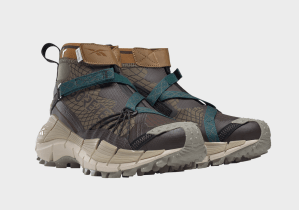
Marking a new addition to the Zig Kinetica II franchise, Reebok has developed a version suited for rugged exploration across colder climates.
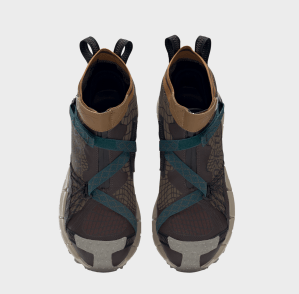
The Zig Kinetica II Edge GTX features a Vibram Ecostep outsolde and Gore-Tex Infinium Thermium for added warmth and comfort, the brand said.
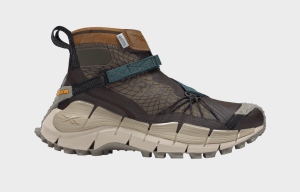
This fall’s release builds upon the shoe’s inherent functionality, which stems from its overbuilt, maximalist design.
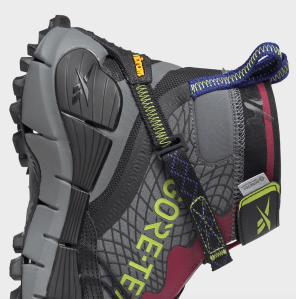
Built for “gripping wet sidewalks or scaling mountain trails,” the Edge GTX model features a textile upper with stitch overlays and a rubberized grid print along with a Floatride Fuel midsole and Zig Energy shell for cushioning and stability.