Artificial Body Positivity by Noa Grgic
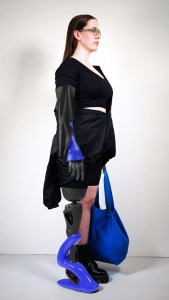
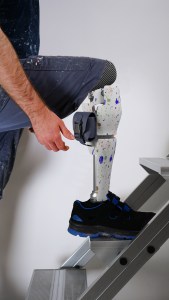
The Artificial Body Positivity project by Noa Grgic won the 20,000 euro first prize at Rimowa’s inaugural German design prize.
The Artificial Body Positivity project by Noa Grgic won the 20,000 euro first prize at Rimowa’s inaugural German design prize.
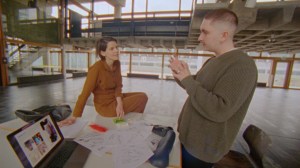
Student Noa Grgic (right) with Paris-based designer, Gesa Hansen, the Danish-German furniture designer behind the brand The Hansen Family.
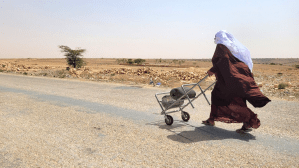
Students Jesse Jacobsen and Paul Meyer won Rimowa’s 10,000 euro second prize with their Frame for All project.
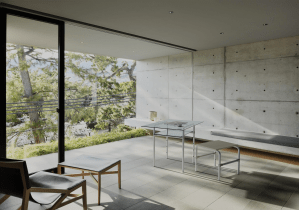
It is “a universal mobility tool which can be converted into a variety of different commodities such as a load carrier, display table, shelter, or even a camping bed.”
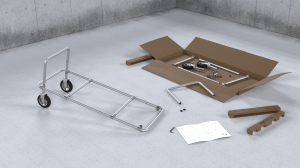
Frame for All is light and easy to produce and assemble.
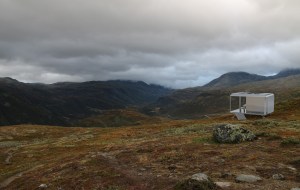
The Alcove project by finalists Gunnar Kaehler and Tjard Tensfeldt involves a series of shelters for parks and remote locations.
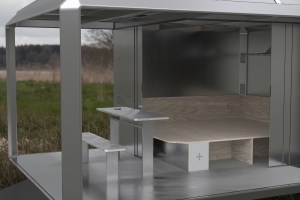
Parts can be carried in, bit by bit, by hikers and then assembled as needed, in a site-specific way.
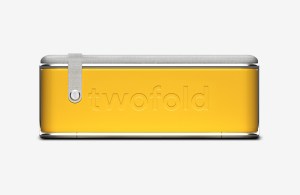
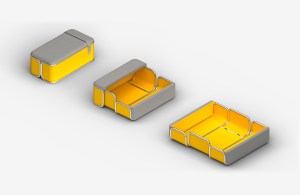
Rimowa design competition finalists Lennart Blank and Lukas Dechau came up with Twofold, an ingenious bicycle back seat that doubles as a carrier.
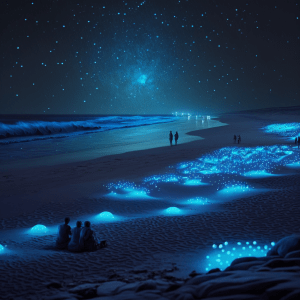
Finalists Bastian Hau and Jan-Marcel Voggenreiter planned to work with bioluminescent mushrooms and algae to create a new type of light source, something that will function anywhere, anytime. Their project is called Imagine.
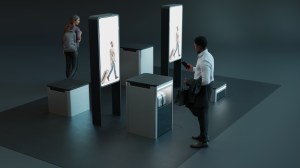
Finalist Karl Sperhake designed a luggage storage system for the inner city called Elevate. Bags are placed in the cabinets and moved underground for storage.
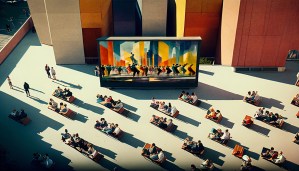
Lukas Bauer and Benjamin Staebler designed a series of movable, urban furniture, named Revival.