A.D. Deertz

A.D. Deertz: “We keep our styles for years, not seasons.”
A.D. Deertz: “We keep our styles for years, not seasons.”
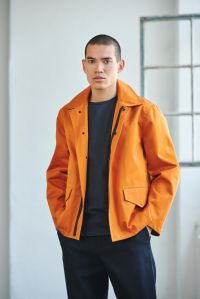
A.D. Deertz fabrics are mostly sourced from overproduction in Portugal and Italy.

Berlin-based designer, Wibke Deertz: “German consumers tend to be careful.”
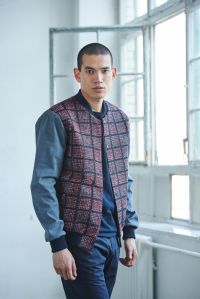
A.D. Deertz menswear is described as “timeless and unpretentious.”
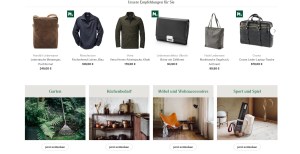
The retailer, Manufactum, where every product seems to have utility, efficiency and quality in common.
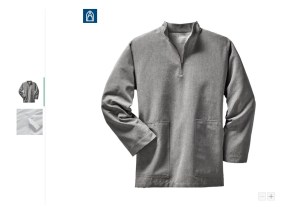
Manufactum sells unisex monk’s workshirts with cotton specially woven in Germany.
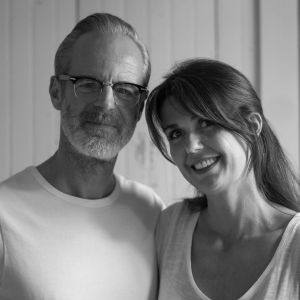
Gitta and Peter Plotnicki, owners of the Merz. B. Schwanen brand.
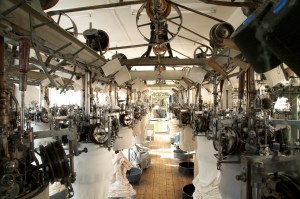
Merz. B. Schwanen produces fabric on 100-year-old loop wheeler machines.

The German brand, Merz. B. Schwanen, produces in the Swabian Alps.

German designer Julia Leifert:”German design has huge potential.”
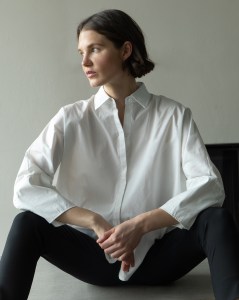
Julia Leifert produces “in small quantities regionally in women-run factories.”
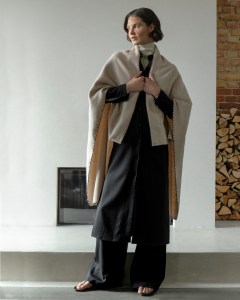
The Julia Leifert brand doesn’t use petroleum-based materials such as polyester or animal products like leather, fur or down.