Brooks Brothers at 200: Men’s Wear Classics
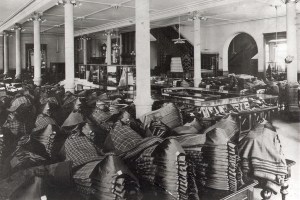
The Ready-Made Suit:
In 1849, Brooks created the first off-the-rack suits to serve the California Gold Rushers who were…in a rush.
The Ready-Made Suit:
In 1849, Brooks created the first off-the-rack suits to serve the California Gold Rushers who were…in a rush.
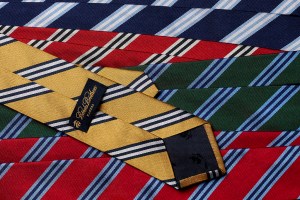
Repp Tie: Also in 1902, Brooks tweaked the regimental tie that was popular in the U.K. by reversing the stripes and offering the new design to every man.
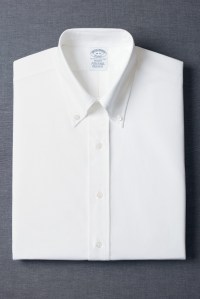
The Button-Down Collar Shirt: In 1896, John Brooks, Henry’s grandson, attended a polo match in England and saw the players’ collars were buttoned down to keep them from flapping in the wind. He brought the idea back to America.
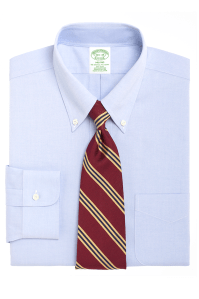
Non-Iron Cotton Dress Shirt: In 1998, the company debuted the first 100 percent cotton non-iron shirt and dubbed it “Brooksease.”
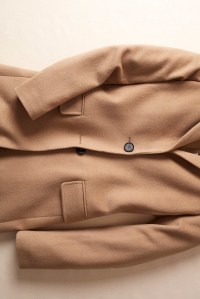
Polo Coat: The English camel hair overcoat is introduced to the American market and finds favor with female college students at Smith and Radcliffe in addition to other Ivy League universities. They button it right-over-left.
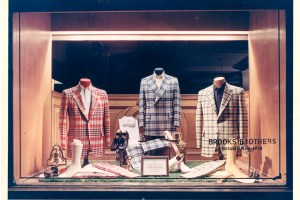
Madras Fabric: In 1902, the brand imported this colorful Indian fabric to the American market and offered it in warm-weather sportswear.
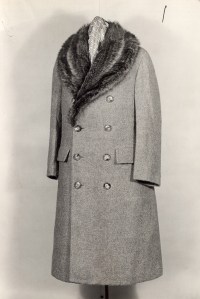
Harris Tweed: In 1900, Brooks Brothers was the first to import the venerable Scottish fabric and used it in the popular doubled-breasted, raccoon-collared overcoat as well as other pieces.
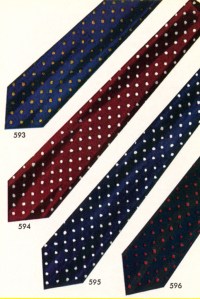
The Foulard Tie:
Brooks president Francis G. Lloyd noticed the elite in England wearing block-printed silk ties and brought them back to America in 1890. During World War II, the company buried the antique blocks made to use the ties in case its mills were destroyed.
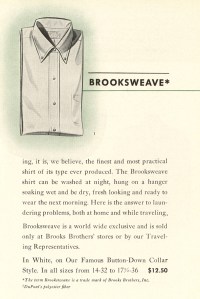
Wash-and-Wear Shirts: In 1953, Brooks partnered with DuPont and became the first company to offer apparel featuring the company’s Dacron fiber in a new line made from Brookscloth.
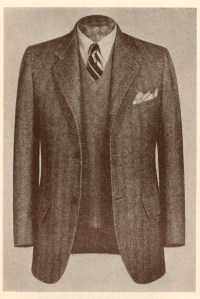
Four-Button Number 1 Sack Suit: In 1896, Brooks broke with the British tradition and created a single-breasted jacket with natural shoul- ders that would dominate men’s wear for 60 years.
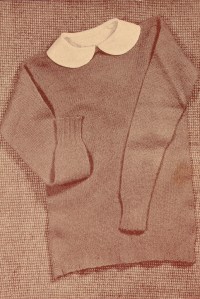
Shetland Sweaters: In 1904, Brooks imported the traditional sweaters made in private homes on the Shetland Islands and in 1938, it added a wider variety of colors which soon caught on with college-age women and paved the way for the company’s introduction into women’s wear.
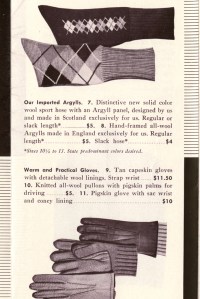
Argyle Socks: Brooks president John C. Wood noticed a golfer in 1957 wearing hand-knit argyle socks, found a Scot- tish mill to copy them and became the first American retailer to offer the hosiery.